
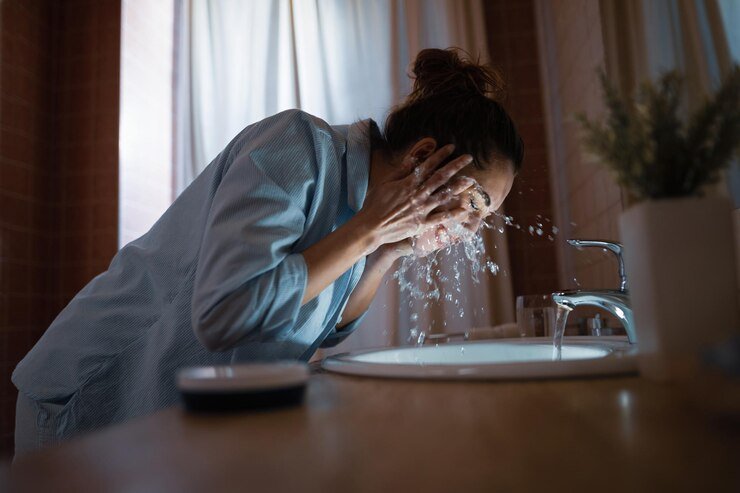
Depression is a complex mental health condition that affects millions of people globally. One often-overlooked aspect of depression is its impact on personal hygiene. This connection between depression and hygiene is significant and can be a telling sign of how deeply the condition affects an individual. This blog explores the link between depression and hygiene, the psychological reasons behind poor hygiene, and provides tips for maintaining health and well-being.

Understanding the Link Between Depression and Hygiene
Depression can manifest in various ways, and one of the most visible signs is a decline in personal hygiene. But why does depression cause poor hygiene? The answer lies in the overwhelming feelings of hopelessness, fatigue, and lack of motivation that often accompany depression. When even the simplest tasks, like showering or brushing teeth, feel insurmountable, maintaining good hygiene can fall by the wayside.
Why Don’t I Want to Shower When I’m Depressed?
If you find yourself avoiding the shower during a depressive episode, you’re not alone. This behavior is a common manifestation of depression and is often rooted in several psychological factors:
Lack of Energy:
Depression can be incredibly draining, both mentally and physically. The overwhelming fatigue that accompanies depression can make even simple tasks, like showering, feel insurmountable. When energy is depleted, routine self-care activities often take a backseat.
Overwhelming Guilt or Shame:
Depression often brings feelings of guilt, worthlessness, or shame. These negative emotions can lead to neglecting self-care, as you may feel undeserving of the effort it takes to care for yourself. This self-neglect can become a vicious cycle, further deepening the depressive state.
Anhedonia:
Anhedonia, or the inability to experience pleasure, is a common symptom of depression. When everyday activities like showering no longer bring any sense of satisfaction or relief, they can seem pointless. This loss of interest in self-care is a reflection of the broader emotional numbness that depression often brings.
Understanding these psychological reasons for poor hygiene during depression is crucial. Recognizing how depression impacts daily life can be the first step toward addressing these challenges. With awareness, it’s possible to take small, manageable steps to reintroduce self-care into your routine, which can play a role in the broader journey of managing and overcoming depression.
Causes of Lack of Personal Hygiene
Several psychological and physical factors contribute to a decline in personal hygiene, particularly among individuals experiencing depression. Understanding these factors can shed light on why maintaining hygiene becomes challenging during depressive episodes:
- Fatigue and Low Energy:
Depression often leaves individuals feeling drained and exhausted, both mentally and physically. This overwhelming fatigue makes it difficult to find the motivation and energy to engage in routine hygiene tasks, such as showering, brushing teeth, or grooming. - Cognitive Impairment:
Depression can affect cognitive functions, impairing concentration, memory, and decision-making. This cognitive impairment can lead to forgetfulness or a diminished ability to prioritize hygiene routines, causing individuals to neglect their personal care. - Loss of Interest in Self-Care:
A hallmark of depression is anhedonia, or the loss of interest in activities that were once enjoyable or important. For many, this includes self-care and personal hygiene. Individuals may feel that maintaining hygiene is not worth the effort or that it simply doesn’t matter anymore, leading to neglect. - Physical Symptoms:
Depression can manifest with a range of physical symptoms, including chronic pain, headaches, and muscle aches. These physical discomforts can make hygiene tasks feel uncomfortable or even painful, further discouraging individuals from maintaining their personal care routines.
Understanding these underlying causes can be the first step in addressing hygiene challenges during depression. With awareness and the right support, individuals can gradually re-establish self-care routines, which can play a crucial role in improving both mental and physical health.
Psychological Reasons for Not Showering
Beyond the physical symptoms of depression, there are deeper psychological reasons for not showering or maintaining hygiene. These reasons include:
- Low Self-Worth: People with depression often struggle with feelings of low self-esteem, leading them to believe they don’t deserve self-care.
- Avoidance Behavior: Avoiding the shower or other hygiene practices can be a form of avoidance, where individuals try to escape negative feelings by neglecting self-care.
- Emotional Numbness: Depression can cause emotional numbness, making individuals indifferent to their appearance or hygiene.
The Connection Between Depression, Social Media, and Hygiene
The rise of social media has created a complex relationship between mental health and self-image. While social media can connect us with others, it can also contribute to feelings of inadequacy, loneliness, and depression. The constant exposure to curated images and lives of others can exacerbate depressive symptoms, leading to a decline in personal hygiene as individuals withdraw from social activities and self-care.
The Link Between Depression and Sleep
Depression and sleep are closely connected, with one often affecting the other. Poor sleep can worsen depression, and depression can lead to sleep disturbances. The lack of restorative sleep contributes to fatigue, making it harder to maintain personal hygiene. Moreover, disrupted sleep patterns can interfere with daily routines, including self-care habits.
Link Between Depression and Sleep Apnea
Sleep apnea, a condition characterized by interrupted breathing during sleep, is another factor that can exacerbate depression and contribute to poor hygiene. The lack of quality sleep due to sleep apnea can lead to increased fatigue, making it difficult to engage in regular hygiene practices.

Depression Hygiene Checklist: Maintaining Health and Well-Being
Maintaining personal hygiene during a depressive episode can be challenging, but it’s essential for your overall health and well-being. Here’s a simple checklist to help you stay on track and make hygiene practices more manageable:
- Set Small, Achievable Goals:
Break down hygiene tasks into smaller, more manageable steps. For example, instead of focusing on the entire process of showering, start with just getting into the bathroom or washing your face. Celebrate each small victory, as these can build momentum and a sense of accomplishment. - Create a Routine:
Establish a daily routine that includes basic hygiene practices such as brushing your teeth, washing your face, and showering. Consistency can help these tasks feel less overwhelming and more like a natural part of your day. - Use Visual Reminders:
Place sticky notes or reminders in visible areas, like your bathroom mirror or bedroom door, to prompt you to complete your hygiene tasks. These visual cues can serve as gentle nudges to help you stay on track with your self-care. - Ask for Support:
If you’re finding it particularly difficult to maintain hygiene, don’t hesitate to ask a friend or family member for support. Sometimes, having someone check in on you or even do these tasks alongside you can make a big difference in staying motivated. - Incorporate Relaxation Techniques:
Make hygiene tasks more enjoyable by incorporating relaxation techniques. For example, using calming scents like lavender during showering or bathing can help create a more soothing experience, making it something you might look forward to. - Stay Hydrated and Nourished:
Proper hydration and nutrition can boost your energy levels and overall mood, making it easier to maintain your hygiene routine. Remember to drink water throughout the day and eat balanced meals to support your physical and mental well-being.
By following this checklist, you can take small but meaningful steps toward maintaining your hygiene and, in turn, improving your overall health and well-being during a depressive episode. Remember, it’s okay to take things one step at a time and to seek help when needed.
Mental Health Hygiene Examples
Just as physical hygiene is essential for your body, maintaining mental health hygiene is crucial for your emotional and psychological well-being. Here are some key practices to support and nurture your mental health:
- Mindfulness Meditation:
Practicing mindfulness meditation helps you stay grounded in the present moment, reducing stress and promoting a sense of calm. Regular mindfulness can improve your ability to manage anxiety, enhance emotional regulation, and increase overall resilience to life’s challenges. - Physical Activity:
Regular exercise is a powerful tool for boosting your mood and energy levels. Physical activity releases endorphins, the body’s natural mood elevators, and can significantly reduce symptoms of stress, anxiety, and depression. Whether it’s a brisk walk, yoga, or a full workout, moving your body is essential for mental well-being. - Social Connection:
Maintaining social interactions is vital for emotional health. Whether it’s a quick call, text, or face-to-face meeting with a friend, staying connected with others provides support, reduces feelings of loneliness, and enhances your sense of belonging. Strong social ties are a key component of a healthy mental state. - Healthy Eating:
A balanced diet is foundational to both physical and mental health. Consuming a variety of nutrient-rich foods supports brain function, stabilizes mood, and helps you maintain the energy needed to cope with daily stressors. Prioritize whole foods like fruits, vegetables, lean proteins, and whole grains to fuel your body and mind. - Adequate Sleep:
Quality sleep is essential for mental and emotional well-being. Prioritizing adequate rest helps regulate mood, improve cognitive function, and enhance your ability to manage stress. Establish a consistent sleep routine and create a restful environment to ensure you get the sleep your body and mind need to thrive.
By incorporating these mental health hygiene practices into your daily routine, you can create a strong foundation for emotional resilience and overall well-being. Just as you care for your physical body, dedicating time and effort to your mental health is essential for a balanced, fulfilling life.
Shower Avoidance Syndrome: Is It a Real Condition?
Shower Avoidance Syndrome is not an official medical diagnosis, but it describes the behavior of avoiding showers due to depression or other psychological reasons. If you find yourself consistently avoiding showers, it’s essential to understand that this behavior is a symptom of an underlying issue, such as depression, and addressing the root cause is key to overcoming it.
What Mental Illness Causes Poor Hygiene?
Depression is one of the most common mental illnesses associated with poor hygiene, but it’s not the only one. Other mental health conditions that can lead to neglecting personal hygiene include:
- Obsessive-Compulsive Disorder (OCD): Individuals with OCD may become so focused on certain rituals that they neglect other aspects of hygiene.
- Schizophrenia: This condition can cause a significant decline in self-care due to disorganized thinking and apathy.
- Bipolar Disorder: During depressive episodes, individuals with bipolar disorder may struggle with maintaining hygiene.
- Anxiety Disorders: Severe anxiety can make it difficult to engage in daily routines, including personal hygiene.
Therapeutic Approaches to Address the Link Between Depression and Hygiene
Several therapeutic approaches can help individuals struggling with depression and poor hygiene. These therapies aim to address the underlying psychological issues and provide tools for improving self-care.
Psychodynamic Therapy
Psychodynamic therapy focuses on exploring the unconscious mind and understanding how past experiences influence current behavior. By uncovering unresolved conflicts and emotions, individuals can gain insight into their depressive symptoms and improve their self-care habits.
Rational Emotive Behavioral Therapy (REBT)
REBT is a form of cognitive-behavioral therapy that helps individuals identify and challenge irrational beliefs that contribute to negative emotions and behaviors. By changing these beliefs, individuals can develop healthier thought patterns and improve their ability to maintain hygiene.
Dialectical Behavioral Therapy (DBT)
DBT combines cognitive-behavioral techniques with mindfulness practices to help individuals manage intense emotions and improve their relationships. DBT is particularly effective for individuals with mood disorders, including depression, and can support the development of healthier self-care routines.
Tips for Maintaining Health During Depression
Maintaining your health during depression requires a holistic approach that addresses both physical and mental well-being. Here are some tips to help you stay on track and take care of yourself during difficult times:
- Prioritize Sleep:
Quality sleep is crucial for both physical and mental health. Establish a consistent bedtime routine to signal to your body that it’s time to wind down. Create a comfortable sleep environment by minimizing noise, light, and distractions. Aim for 7-9 hours of sleep per night to help regulate your mood and energy levels. - Stay Active:
Physical activity, even in small amounts, can significantly boost your mood and energy levels. Aim to engage in regular exercise, whether it’s a short walk, stretching, or a more structured workout. Exercise releases endorphins, which are natural mood elevators, and can help reduce symptoms of depression. - Eat a Balanced Diet:
Proper nutrition plays a vital role in supporting both physical and mental health. Focus on incorporating a variety of fruits, vegetables, whole grains, lean proteins, and healthy fats into your diet. Eating regular, balanced meals can help stabilize your energy levels and improve your overall well-being. - Practice Mindfulness:
Mindfulness meditation is a powerful tool for staying present and reducing stress. Regular mindfulness practice can help you manage negative thoughts and emotions more effectively. Even a few minutes of mindful breathing or meditation each day can make a difference in how you cope with depression. - Seek Professional Help:
If you’re struggling with depression and its impact on your health, don’t hesitate to seek help from a mental health professional. Therapy can provide you with the tools, strategies, and support you need to manage your symptoms and improve your overall well-being. Whether it’s talk therapy, cognitive-behavioral therapy, or medication, professional help can be an essential part of your recovery journey. Seeking professional help, including regular dental treatment, can assist in managing depression-related hygiene challenges.
By incorporating these tips into your daily routine, you can take proactive steps to maintain your health during depression. Remember, it’s important to be gentle with yourself and to seek support when needed. Your well-being is worth the effort, and even small changes can make a significant difference in your overall health and quality of life.
Take the First Step Toward Better Mental Health with Uncover Mental Health Counseling
The link between depression and hygiene is a significant aspect of mental health that deserves attention. Poor hygiene is not a sign of laziness or neglect but rather a symptom of a deeper issue that needs to be addressed with compassion and understanding.
At Uncover Mental Health Counseling, we are dedicated to helping you navigate the challenges of depression and develop strategies for maintaining both mental and physical health. Our experienced therapists offer a range of therapeutic approaches, including Psychodynamic Therapy, Rational Emotive Behavioral Therapy (REBT), and Dialectical Behavioral Therapy (DBT), to support your journey toward better health.
Book an appointment with us today and take the first step toward improving your mental health and well-being. Let us help you uncover the path to a healthier, happier you.