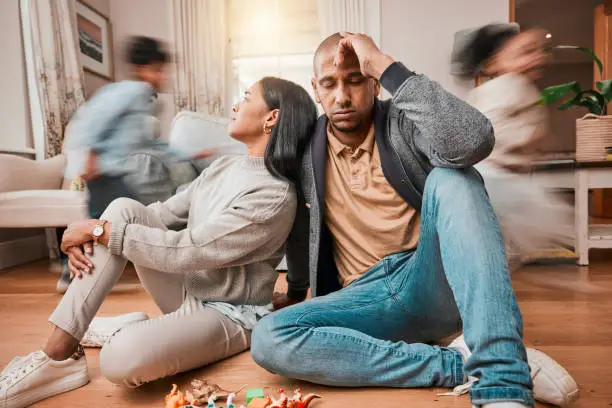

Separation anxiety is commonly associated with children, but adults can also experience it in their romantic relationships. This type of anxiety can cause overwhelming feelings of fear and distress when faced with separation from a partner. In this blog, we’ll explore the causes and symptoms of separation anxiety in relationships, discuss how to deal with separation anxiety, and provide effective solutions on how to cope with separation. Whether you’re experiencing this yourself or supporting a partner through it, understanding separation anxiety can help you find relief and rebuild emotional security.
What Is Separation Anxiety in Relationships?

Separation anxiety in relationships occurs when a person experiences intense fear or distress at the thought of being separated from their partner. While it’s common to miss your partner when they are away, someone with separation anxiety may feel excessively anxious, fearful, or even panicked about being apart. This can lead to avoidance behaviors, obsessive thoughts, and challenges in maintaining a healthy relationship.
Unlike typical concerns about being apart, separation anxiety in relationships can affect an individual’s mental and emotional well-being, often impairing their ability to function in their daily life. It can result in an unhealthy attachment, where the fear of being separated becomes more consuming than the relationship itself.
Causes of Separation Anxiety in Relationships
Understanding the root causes of separation anxiety in relationships is essential in addressing the issue. Several factors can contribute to the development of this anxiety:
1. Past Trauma or Attachment Issues
Past experiences, particularly those involving emotional neglect, abandonment, or childhood trauma, can make it difficult to feel secure in relationships. If someone’s emotional needs were not met in their formative years, they may develop a fear of abandonment that persists into adulthood. This can manifest as separation anxiety in romantic relationships.
2. Insecurity and Low Self-Esteem
Individuals with low self-esteem or insecurity may have a deep fear of losing their partner, often believing they are unworthy of love or that their partner will leave them. These insecurities can lead to clinginess or the constant need for reassurance, which exacerbates separation anxiety in relationships.
3. Overdependence on the Relationship
When a person’s sense of identity or emotional stability is overly dependent on their partner, separation can trigger intense fear. This overreliance may stem from feelings of emptiness or a lack of self-sufficiency. The absence of a partner can feel like a loss of oneself, which feeds the anxiety.
4. Fear of Rejection
A significant fear of rejection can also contribute to separation anxiety. Individuals with this fear may believe that if they are apart from their partner, their partner will forget about them or fall out of love. These fears can be irrational but often feel very real to the person experiencing them.
5. Chronic Stress and Anxiety
People who struggle with general anxiety or chronic stress may find that their anxiety increases when they are separated from loved ones. In these cases, separation anxiety in relationships may be an extension of a broader anxiety disorder, where the fear of separation adds to an already heightened state of worry.
Symptoms of Separation Anxiety in Relationships
Recognizing the symptoms of separation anxiety in relationships is crucial for addressing the issue effectively. Symptoms can range from mild to severe and may manifest in physical, emotional, and behavioral ways. Common signs include:
1. Physical Symptoms
- Increased heart rate or palpitations when thinking about separation.
- Nausea, dizziness, or digestive issues when apart from a partner.
- Trouble sleeping or nightmares about losing the partner.
2. Emotional Symptoms
- Excessive worry about being abandoned or left alone.
- Persistent fear that the relationship will end when separated.
- Intense feelings of loneliness or sadness when away from a partner.
3. Behavioral Symptoms
- Constant texting, calling, or checking in with the partner to ensure they are safe and still committed.
- Avoiding situations where separation from the partner might occur.
- Emotional outbursts or frustration when plans involve being apart.
Causes of Separation in Relationships That Lead to Anxiety
Breakups are a painful experience, and the emotional distress they cause can often lead to anxiety. Understanding the underlying causes of breakups can help you manage the anxiety that follows. Here are some common causes of breakups that often contribute to heightened anxiety:
1. Lack of Communication
Communication is the foundation of any relationship. When communication breaks down, misunderstandings and unresolved issues can escalate. The fear of not being heard or understood can lead to feelings of insecurity and anxiety, especially during or after a breakup. Without the ability to express needs and concerns, partners may feel disconnected, leading to emotional distress.
2. Trust Issues
Trust is essential for a healthy relationship. If trust is broken, whether due to infidelity, dishonesty, or broken promises, it can create a deep sense of betrayal. Trust issues often linger after a breakup, causing anxiety about future relationships or a fear of being hurt again. The emotional scars left behind by broken trust can affect one’s ability to fully heal.
3. Unresolved Personal Issues
Sometimes, personal issues such as unresolved trauma, low self-esteem, or mental health struggles can cause friction in a relationship. These internal battles often surface during a breakup, intensifying feelings of anxiety. The fear of being unworthy or incapable of maintaining a healthy relationship can exacerbate the emotional turmoil following the end of a relationship.
4. Fear of Loneliness
The end of a relationship often brings a fear of being alone or not finding love again. This fear of loneliness can trigger anxiety, especially if someone has relied heavily on their partner for emotional support or validation. The uncertainty of the future and fear of not being able to move on can make the healing process feel overwhelming.
5. Emotional Attachment
Strong emotional attachments are formed during relationships, and when they end, it can be difficult to sever those bonds. This emotional attachment can cause significant distress, as the individual may still crave the connection with their ex-partner. The emotional rollercoaster that often follows a breakup can lead to anxiety, especially if the person struggles to let go.
Recognizing these causes of anxiety after a breakup can help you understand your emotions better and seek the appropriate support to heal and regain emotional stability.
How to Deal with Separation Anxiety in Relationships
Managing separation anxiety requires both self-awareness and intentional efforts to address the underlying fears. If you’re wondering how to deal with separation anxiety, here are some strategies that may help:
1. Acknowledge the Anxiety
The first step in dealing with separation anxiety is acknowledging it. Recognize that your feelings of fear are valid but also understand that they are often irrational. By acknowledging the anxiety, you can begin to separate the emotional response from the reality of the situation.
2. Develop Healthy Coping Mechanisms
Instead of relying on your partner for constant reassurance, develop healthier coping strategies. Engage in activities that ground you emotionally, such as practicing mindfulness, exercising, or spending time with friends. These activities can help distract you from the anxious thoughts and reduce the reliance on your partner for emotional stability.
3. Communicate Openly with Your Partner
Having open and honest conversations with your partner about your feelings can go a long way in reducing anxiety. Let your partner know what you’re experiencing and work together to create healthy boundaries that allow for individual space while maintaining a strong connection.
4. Treat Yourself with Compassion
It’s easy to criticize yourself for feeling anxious or dependent, but it’s important to treat yourself with compassion. Understand that anxiety is a normal response to fear and stress, and it doesn’t make you weak or flawed. Self-compassion helps reduce shame and encourages a healthier emotional outlook.
5. Redefine Your Alone Time
Instead of viewing alone time as an opportunity to feel anxious, try to redefine it as a chance for self-growth. Use this time to focus on hobbies, relaxation, or activities that nurture your well-being. Reclaiming your independence can reduce your dependency on your partner and lessen anxiety during separations.
6. Seek Professional Help
If you find that separation anxiety is interfering with your ability to function or causing significant distress, seeking professional help is a vital step. Therapies such as Cognitive Behavioral Therapy (CBT) can help address the thought patterns that contribute to anxiety. An anxiety therapist can also guide you in developing strategies to cope with the fear of separation.
What Triggers Separation Anxiety?
Separation anxiety can develop when an individual, especially a child, experiences certain stressful or traumatic events that disrupt their sense of security. These events can create a heightened fear of being separated from loved ones, leading to anxiety. Here are some common triggers for separation anxiety:
1. Loss of a Loved One
The loss of someone close, whether through death, divorce, or separation, can trigger separation anxiety. Children or even adults who have experienced the death of a parent or close family member may struggle with the fear of further abandonment. This can make them overly dependent on others and fearful of being left alone or separated.
2. Stressful Situations
Stressful life events, such as parental divorce or family conflict, can destabilize a person’s emotional well-being. When a child witnesses or experiences these challenges, it may trigger separation anxiety, as the familiar sense of stability is shaken. The anxiety often stems from uncertainty about the future and a fear of further loss or disruption.
3. Changes in Environment
Moving to a new house, switching schools, or adjusting to a different environment can also lead to separation anxiety. These changes disrupt routines and familiar surroundings, making children or adults feel insecure. The fear of separation becomes more intense when they are faced with new, unfamiliar situations, as they may feel isolated or unsupported in their new environment.
Recognizing these triggers can help address the root causes of separation anxiety and seek appropriate support or treatment to manage the symptoms effectively.
How to Treat Separation Anxiety in Adults
Treating separation anxiety in adults often requires a multi-faceted approach. In addition to therapy, individuals may need to work on building self-esteem, improving emotional regulation, and developing a sense of independence. Here are a few treatment options that may help:
1. Cognitive Behavioral Therapy (CBT)
CBT is an effective treatment for separation anxiety in relationships, as it focuses on identifying and challenging negative thought patterns. By reframing irrational beliefs about separation, CBT helps individuals reduce anxiety and build healthier ways of coping with fears.
2. Psychodynamic Therapy
Psychodynamic therapy can help individuals explore unresolved issues from their past, particularly childhood trauma or attachment wounds. By addressing these root causes, individuals can work through deep-seated fears of abandonment or rejection that fuel separation anxiety.
3. Dialectical Behavioral Therapy (DBT)
DBT is particularly useful for individuals who struggle with emotional regulation and impulsive behaviors. This therapy focuses on teaching skills for managing intense emotions, improving interpersonal effectiveness, and fostering emotional balance during periods of separation.
4. Acceptance and Commitment Therapy (ACT)
ACT helps individuals accept difficult emotions without allowing them to control their behavior. It encourages living in alignment with values rather than being driven by fear. This approach can be particularly helpful for reducing the emotional hold separation anxiety has on a person’s life.
5. Prolonged Exposure Therapy
Prolonged Exposure Therapy involves gradually confronting the feared situation—in this case, separation—until the anxiety response diminishes. This can help individuals become more comfortable with being apart from their partner and reduce overall anxiety levels.
How to Cope with Separation

Coping with separation involves learning to manage the anxiety and building a secure foundation for the relationship. Here are a few ways to cope with separation anxiety:
- Establish Clear Communication: Regularly check in with your partner, but avoid over-texting or excessively seeking reassurance. A steady communication routine can help reduce anxiety.
- Create Rituals for Separation: Rituals, like a farewell kiss, a special phrase, or a set time for checking in, can provide comfort and a sense of stability during separations.
- Focus on Personal Growth: Use the time apart to focus on personal hobbies, interests, or self-care. Strengthening your independence can reduce the emotional toll of separation.
Finding Relief from Separation Anxiety in Relationships
Separation anxiety in relationships can significantly impact an individual’s emotional well-being and the health of the relationship. However, by recognizing the causes, symptoms, and treatment options, it’s possible to manage and reduce the anxiety. Seeking professional help, such as therapy or counseling, can provide valuable tools for addressing the underlying fears and building a secure, balanced relationship. If you or someone you love is struggling with separation anxiety in relationships, consider reaching to a professional for support with us Uncover Counseling.
For more information on how to deal with separation anxiety, book an appointment for services such as Anxiety Therapy, Relationship Therapy, and more.