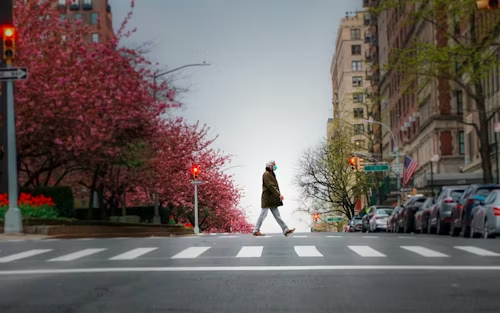

Feeling watched or judged can be uncomfortable for anyone — but for individuals with scopophobia, the fear of being observed becomes overwhelming, distressing, and life-limiting. Scopophobia is a specific phobia marked by an intense fear of being seen, looked at, or scrutinized by others. While it overlaps with social anxiety, it has unique features that can deeply affect a person’s confidence, daily routines, and sense of safety.
For many New Yorkers navigating busy environments — whether commuting through Manhattan, dining in Brooklyn, or attending school in Westchester or Long Island — the constant presence of people can intensify symptoms. The good news is that virtual therapy across New York State provides a private, accessible, and effective way to understand and manage scopophobia.
This guide explains scopophobia in a clear, compassionate way while highlighting how online therapy helps individuals regain comfort, confidence, and control.
What Is Scopophobia?

Scopophobia, also known as scoptophobia, is the fear of being watched or stared at. Individuals with this phobia often experience intense anxiety in situations where they feel exposed, visible, or evaluated, even if no one is actually focusing on them.
Common situations that may trigger discomfort include:
- Walking through crowded street
- Eating in public
- Joining video calls
- Speaking in meetings or classrooms
- Being photographed or recorded
- Standing in line with others behind you
- Entering a room where people might look up
While many people occasionally feel self-aware in public, scopophobia goes far beyond temporary discomfort. It can cause overwhelming panic, avoidance behaviors, and persistent fear that impacts daily life.
Scopophobia vs. Social Anxiety: What’s the Difference?
Although scopophobia and social anxiety disorder (SAD) often overlap, they are not identical.
Social Anxiety Disorder
Involves fear of negative evaluation, judgment, or humiliation.
Scopophobia
Involves fear of being seen itself — the gaze, attention, or visibility — regardless of judgment.
People with scopophobia may feel:
- Watched even when they logically know they’re not
- Anxious simply because eyes are present around them
- Overwhelmed by the idea of being observed
Understanding this difference is important because treatment often focuses on both panic around visibility and underlying beliefs about safety and control.
Symptoms of Scopophobia
Scopophobia symptoms can be physical, emotional, and behavioral. They often appear suddenly and intensify in public or social settings.
Physical symptoms
- Racing heart
- Sweating or trembling
- Shortness of breath
- Nausea or stomach discomfort
- Dizziness or feeling faint
- Blushing or heat sensations
- Muscle tension
Emotional & cognitive symptoms
- Fear of being watched, stared at, or judged
- Hyper-awareness of eyes and gazes
- Feeling unsafe or exposed
- Worry about embarrassment
- Thoughts of needing to “escape” a space
- Fear of being misunderstood
Behavioral symptoms
- Avoiding public places
- Sitting in the back of classrooms or meetings
- Wearing hats, masks, or sunglasses to feel less visible
- Avoiding video calls or online meetings
- Canceling plans to avoid being seen
These reactions can significantly interfere with school, work, and relationships — especially in busy communities like Manhattan, Brooklyn, Westchester, and Long Island, where visibility is part of daily life.
What Causes Scopophobia?
Scopophobia often develops from one or more contributing factors:
1. Past Trauma or Embarrassment
A humiliating childhood event, public mistake, bullying, or feeling “spotlighted” can imprint fear around being seen.
2. Social Anxiety
Many people with social anxiety experience scopophobia as one expression of their broader fear.
3. Hypervigilance
Trauma involving powerlessness or exposure can heighten sensitivity to eyes, attention, and perceived threats.
4. Neurodivergence
Some autistic individuals or those with sensory sensitivities may feel overwhelmed by eye contact or being observed.
5. Cultural or Familial Pressure
Environments where appearance, performance, or behavior are heavily monitored can contribute to the fear.
Scopophobia is not a character flaw — it is a learned response that can be unlearned with the right support.
How Scopophobia Affects Daily Life
Living with scopophobia can make everyday tasks feel exhausting. Common impacts include:
Public environments
Busy areas like Midtown, SoHo, DUMBO, or Downtown Brooklyn may feel overstimulating and unsafe.
Work and school
Individuals may avoid presentations, group meetings, speaking up, or attending events where attention is possible.
Social connections
Fear of visibility can lead to withdrawing, canceling plans, or avoiding intimacy.
Online visibility
Even virtual spaces — Zoom calls, FaceTime, or social media — can trigger distress.
Self-esteem
Many begin to believe something is “wrong with them,” further reinforcing avoidance.
With early support, individuals can break this cycle and learn to navigate visibility with confidence and ease.
How Virtual Therapy Across New York State Helps Scopophobia
Online therapy provides a powerful, accessible option for individuals experiencing scopophobia — especially those who fear being watched in an office setting.
Why virtual therapy works well for scopophobia:
✔ Safe, private environment
Clients can attend therapy from home, where visibility feels lower and safety feels higher.
✔ Reduced pressure
Not having to sit across from a therapist in person reduces the intensity of eye-contact fears.
✔ Flexible exposure work
Therapists can gradually introduce challenges — like showing your face on camera — at a pace that feels manageable.
✔ Accessible across NYS
Whether you’re in Manhattan (Upper East Side, Tribeca), Brooklyn (Park Slope, Williamsburg), Westchester (Scarsdale, Rye), or Long Island (Manhasset, Garden City), licensed NY therapists can support you from anywhere.
✔ Consistent care, even with busy schedules
Ideal for professionals, students, and parents who need convenience.
Virtual therapy creates the perfect environment for beginning healing without overwhelming the nervous system.
Evidence-Based Treatment Options for Scopophobia

1. Cognitive Behavioral Therapy (CBT)
Helps identify unhelpful thought patterns, challenge fear-based assumptions, and build healthier responses.
2. Exposure Therapy (Gradual Exposure)
Clients learn to face visibility gradually — starting with low-intensity tasks and building up to more challenging ones.
3. Acceptance and Commitment Therapy (ACT)
Teaches clients how to tolerate uncomfortable feelings without avoidance or self-judgment.
4. Trauma-Informed Therapy
Addresses root causes such as shame, bullying, or past events involving exposure or humiliation.
5. Eye Contact and Social Skills Training
Helps clients rebuild confidence in conversation, body language, and interpersonal connection.
6. Somatic and Mind-Body Work
Regulates the nervous system to reduce panic, hypervigilance, and fight-or-flight reactions.
Each plan is tailored to the client’s comfort level, background, and goals.
Practical Coping Strategies for Everyday Situations
Alongside therapy, individuals can build confidence through small, consistent practices:
✔ Grounding techniques (5-4-3-2-1 method)
✔ Slow, diaphragmatic breathing
✔ Practicing mild exposure (e.g., walking through a familiar store)
✔ Using supportive self-talk
✔ Noticing gaze without trying to avoid or monitor it
✔ Reducing perfectionism and self-criticism
✔ Strengthening body boundaries through posture and movement
These strategies help reduce reactivity and create a foundation for deeper therapeutic work.
Does Scopophobia Go Away? Yes — With the Right Support
Although scopophobia can feel overwhelming, it is highly treatable. With supportive therapy, gradual exposure, and skill-building, individuals can learn to:
- Navigate public spaces with confidence
- Reduce fear around eye contact
- Feel more comfortable at work or school
- Connect with others without fear of being judged
- Rebuild trust in themselves and their environment
You don’t have to navigate this alone — healing is possible.
Begin Virtual Therapy for Scopophobia in New York State
At Uncover Mental Health Counseling, we help clients across Manhattan, Brooklyn, Westchester, and Long Island overcome fears that limit their lives. If scopophobia is affecting your confidence, relationships, or daily routines, online therapy can help you feel safer, more grounded, and more in control.
Our licensed therapists specialize in:
- Anxiety disorders
- Social anxiety
- Trauma-informed care
- Panic and phobia treatment
- Stress and self-esteem
Ready to feel seen without fear?
Schedule a virtual therapy session today and begin your path toward confidence and freedom.