
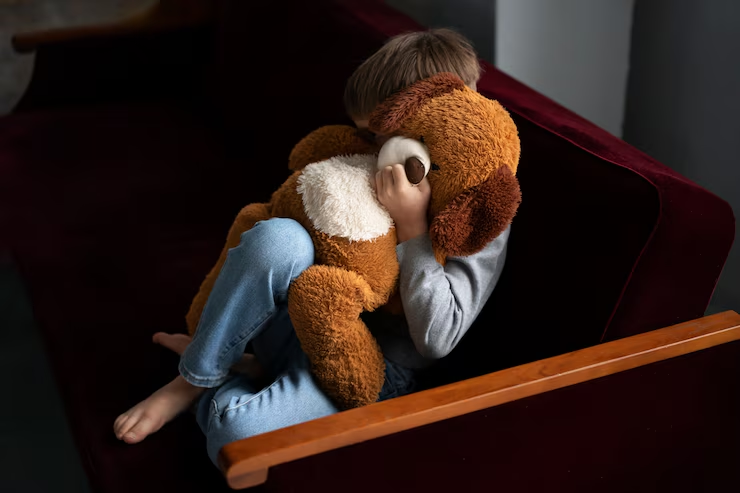
Dolls are usually seen as comforting toys for children—but for some adults, they trigger intense fear and panic. This condition, known as pediophobia, is a specific phobia involving an overwhelming fear of dolls, mannequins, or humanoid figures. While often misunderstood, pediophobia can disrupt daily life, increase anxiety, and create avoidance behaviors that interfere with work, relationships, and routines.If you’re experiencing this fear, or you know someone who is, understanding its origins and exploring effective treatment options can be a powerful first step. And because Uncover Counseling provides virtual therapy across all of New York State, individuals from Manhattan, Brooklyn, Westchester County, or Long Island can access support without needing to travel.
What Is Pediophobia?

Pediophobia is classified as a specific phobia within the umbrella of anxiety disorders. People with pediophobia may feel fear, discomfort, or panic when seeing dolls, especially lifelike ones. This fear can occur in environments such as:
- Toy stores
- Homes with decorative dolls
- Museums
- Retail displays
- Film or TV scenes involving dolls
Individuals often recognize that the fear is irrational, yet the emotional and physical response can feel uncontrollable.
The Psychology Behind Dolls
Dolls play an important role in childhood development—supporting imagination, emotional expression, and social skill-building. According to psychologist Allana Elovson, dolls often represent significant relationships and emotional connections.
However, for individuals with pediophobia, dolls can trigger:
- Past traumatic memories
- Discomfort connected to the “uncanny valley”
- Cultural or horror-movie associations
The same lifelike features that help a child create meaning can feel eerie or threatening for someone with this phobia.
Pediophobia Symptoms
Symptoms may be physical, emotional, or behavioral, and can vary in intensity.
Physical Symptoms
- Racing heart
- Sweating
- Shortness of breath
- Trembling or shaking
- Nausea or dizziness
- Lightheadedness or faintness
- Urge to escape the situation
Emotional & Psychological Symptoms
- Panic or terror at the sight of dolls
- Avoiding locations where dolls may appear
- Feeling overwhelmed or out of control
- Nightmares involving dolls
- Intrusive thoughts
If these symptoms resonate with you, virtual therapy with an NYC-based anxiety therapist can offer tools to help manage and reduce your fear—without needing to visit an office.
Why Do People Develop Pediophobia? Psychological Theories
1. The Uncanny Valley
Hyper-realistic dolls look almost human but not quite—which can trigger discomfort or fear.
2. Classical Conditioning
A frightening childhood experience involving dolls may create a long-term fear response.
3. Trauma Associations
Past threats, bullying, or emotional stress connected to dolls may resurface as adulthood phobias.
4. Cultural Influence
Movies like Annabelle, The Boy, or Child’s Play can reinforce the belief that dolls are dangerous or sinister.
Common Triggers of Pediophobia
Pediophobia often develops due to a combination of:
- Childhood scares
- Horror media exposure
- Realistic dolls that resemble humans
- Family members with similar fears
- Existing anxiety disorders
- Negative or traumatic associations
Understanding these root causes is key to building an effective treatment plan.
The Impact of Pediophobia on Daily Life
This phobia can affect emotional wellbeing, relationships, and even academic or professional settings. For those living in dense urban areas—such as the Upper East Side, Tribeca, FiDi, Westchester commuter towns, or Long Island suburbs—avoidance can create added stress because dolls are present in many public environments.
Examples of how this fear may interfere with life include:
- Avoiding museums or certain stores
- Relationship stress if a partner doesn’t understand the fear
- Difficulty focusing at work
- Increased shame, anxiety, or embarrassment
If pediophobia impacts your daily functioning, virtual therapy across NYS allows you to seek support from the privacy of your home.
How Pediophobia Differs from Other Phobias
Pediophobia is distinct from similar fears such as:
- Automatonophobia: fear of mannequins or humanoid figures
- Coulrophobia: fear of clowns
While these phobias may overlap due to the uncanny valley effect, pediophobia is specifically centered around dolls and can involve deeper personal associations or trauma triggers.
Effective Treatments for Pediophobia (Accessible Through Virtual Therapy in NYS)
The good news: pediophobia is highly treatable. Many individuals experience significant improvement with the right therapeutic approach.
1. Cognitive Behavioral Therapy (CBT)
Helps identify and challenge irrational fears. Virtual CBT is highly effective for phobia treatment.
2. Exposure Therapy
Gradual, controlled exposure to dolls helps reduce the fear response over time. This can be done safely during virtual sessions.
3. Acceptance and Commitment Therapy (ACT)
Builds resilience and helps you respond to fear with acceptance rather than avoidance.
4. Psychodynamic Therapy
Explores past experiences, childhood memories, or unconscious fears contributing to pediophobia.
5. Dialectical Behavior Therapy (DBT)
Supports emotional regulation and distress tolerance.
6. REBT
Challenges irrational thoughts and replaces them with healthier, grounded beliefs.
7. Medication (When Needed)
Can help manage severe anxiety symptoms, typically alongside therapy.All of these modalities can be provided through virtual therapy for individuals across Manhattan, Brooklyn, Westchester, and Long Island.
Supporting a Loved One with Pediophobia

If someone you care about struggles with this fear:
- Validate their feelings
- Avoid making jokes or forcing exposure
- Create a safe home environment
- Encourage therapy if they’re open to it
- Be patient—phobia recovery takes time
Self-Help Strategies for Managing Pediophobia
Alongside therapy, individuals may benefit from:
- Gradual exposure (starting with photos)
- Relaxation and grounding techniques
- Journaling or cognitive reframing
- Mindfulness exercises
- Support from a therapist experienced in anxiety or trauma
Overcoming Pediophobia: You’re Not Alone
Pediophobia can feel isolating, but it is treatable—and seeking support is a strong first step. Whether you’re dealing with intense panic, subtle discomfort, or avoidance behaviors, virtual therapy can provide effective tools and guidance.
Uncover Counseling offers virtual therapy for residents across New York State—including Manhattan neighborhoods like SoHo, Murray Hill, Chelsea, and Upper West Side, as well as Brooklyn, Westchester County, and Long Island.
You don’t have to manage this fear alone.
Help is available—and healing is possible.