

The Overlooked Side of Athletic Performance
When we think about sports, we often focus on physical strength, agility, and endurance. Yet, behind every winning moment lies an equally critical, often overlooked factor: mental health in sports. For athletes at every level, mental health is just as essential as physical fitness. With rising awareness about the emotional and psychological challenges athletes face, it’s time to understand how mental health shapes performance, resilience, and overall well-being.
At Uncover Mental Health Counseling, we believe in supporting the full human behind the athlete, whether you’re a professional competitor, weekend warrior, or student-athlete, mental health matters.

The Importance of Mental Health in Sports
Why Is Mental Health Important in Sports?
Athletes constantly navigate pressure from competition, performance expectations, injuries, and the public eye. These stressors can lead to mental health issues in sports such as anxiety, depression, burnout, and identity loss. Ignoring mental health not only affects performance but can also have long-term emotional consequences.
Understanding the importance of mental health in sports is crucial. Mental health influences how athletes handle stress, recover from injuries, relate to teammates, and cope with failure. Just as we wouldn’t ask an injured player to perform, we mustn’t expect athletes to thrive without mental and emotional support.
Common Mental Health Issues in Sports
Mental health in sports is a critical, yet often overlooked, aspect of athletic performance and overall well-being. Athletes are frequently celebrated for their physical prowess, but the psychological toll of competitive sports can be immense. Here are some of the most common mental health issues athletes face:
Performance Anxiety: The intense pressure to succeed can lead to chronic worry, panic attacks, avoidance of competition, or mental blocks that interfere with performance. Athletes might constantly fear letting their team down, disappointing fans, or not living up to their personal goals.
Depression: Post-competition blues, long-term injuries, or identity loss—especially after retirement—can trigger persistent feelings of sadness, hopelessness, or disconnection. Athletes may isolate themselves, struggle with motivation, or feel as though they have no purpose beyond their sport.
Burnout: Overtraining, rigorous schedules, and lack of adequate recovery time can result in emotional and physical exhaustion. Burnout can manifest as detachment from the sport, cynicism, reduced performance, and even physical symptoms like frequent illness or chronic fatigue.
Eating Disorders: In sports where body weight and appearance are emphasized, such as gymnastics, wrestling, or running, there is often immense pressure to achieve a certain physique. This pressure can lead to restrictive eating, bingeing, purging, or other disordered eating behaviors that harm both physical and mental health.
Substance Abuse: To cope with pain, injuries, performance pressure, or emotional distress, some athletes may turn to drugs or alcohol. This not only jeopardizes their careers but also increases their risk of addiction and worsens underlying mental health conditions.
Sleep Disorders: The adrenaline of competition, frequent travel, or anxiety can lead to trouble sleeping. Chronic sleep disturbances can worsen mental health, leading to irritability, decreased cognitive function, and a higher risk of injury.
Identity Crisis: Many athletes strongly tie their self-worth to their athletic identity. When injuries, retirement, or underperformance disrupt that identity, it can lead to confusion, loss of direction, and emotional distress.
Professional support, such as seeing a Therapist for Depression in NYC, can help athletes recognize these challenges early and take proactive steps toward recovery and well-being. Uncover Mental Health Counseling offers various therapeutic services tailored to the needs of athletes.
Prioritizing Mental Health as an Athlete
Recognizing the Warning Signs
Recognizing the Warning Signs Athletes are often trained to push through physical and emotional discomfort, but mental health requires attunement rather than endurance. Early recognition of symptoms can prevent more serious issues. Mental health concerns can quietly manifest in athletes long before they become apparent to others or interfere with performance. Recognizing and acknowledging these warning signs is the first step toward healing and prevention.
Common warning signs include:
- A sudden or gradual lack of motivation or interest in training, competing, or activities once enjoyed
- Persistent negative self-talk, low self-esteem, and ongoing self-doubt despite achievements
- Difficulty sleeping or concentrating, often accompanied by racing thoughts or constant worry
- Withdrawing socially or emotionally from teammates, coaches, and loved ones
- Unexplained changes in appetite or energy levels, ranging from fatigue to hyperactivity
- Increased irritability, frustration, or emotional numbness
- Obsessive focus on performance metrics, body image, or perfectionism
These symptoms can escalate if ignored, potentially leading to more severe mental health issues in sports. Athletes need to understand that acknowledging mental health struggles is not a sign of weakness but a courageous and proactive act. If these symptoms are ongoing, it may be time to consult with a Trauma Therapist in NYC or a specialist in Anxiety Therapy in NYC who understands the unique challenges of sports culture.
Building Mental Resilience
To perform at your peak, building emotional resilience is as essential as physical strength. Strategies to develop mental resilience include:
- Mindfulness & Meditation: Regular mindfulness practices, such as deep breathing, body scans, or guided meditation, help athletes manage stress, reduce anxiety, and improve focus. Even five minutes a day can yield lasting benefits.
- Self-Awareness: Keeping a journal, engaging in self-reflection, or working with a therapist can help athletes identify their thought patterns, emotional triggers, and sources of stress. Developing emotional intelligence helps athletes make better decisions and stay grounded.
- Support Systems: Leaning on trusted coaches, teammates, family, or mental health professionals provides crucial emotional backing. Knowing you’re not alone—and having people you can talk to—fosters resilience and coping.
- Therapeutic Interventions: Evidence-based therapies such as Cognitive Behavioral Therapy (CBT), Acceptance and Commitment Therapy (ACT), and Dialectical Behavioral Therapy (DBT) teach athletes how to regulate emotions, manage stress, and maintain a balanced mindset. These therapies empower athletes to navigate life’s pressures both on and off the field.
How Coaches and Organizations Can Support Athlete Mental Health
Creating a Culture of Openness
Athletes perform best when they feel seen, supported, and safe to express themselves. Coaches, team leaders, and sports organizations play a pivotal role in fostering a culture where mental health is prioritized. This can include:
- Talking openly about mental health during team meetings, workshops, or one-on-one check-ins
- Reducing stigma by sharing stories of resilience, encouraging conversations, and educating athletes about common mental health issues in sports
- Encouraging athletes to seek help when struggling, emphasizing that seeking support is a strength, not a weakness
- Offering confidential access to professional support, such as referrals to an ADHD Specialist NYC or a provider experienced in Anger Management Therapy NYC
- Incorporating rest and recovery days that honor mental recovery, not just physical
By modeling vulnerability and empathy, coaches can shift the narrative from “toughing it out” to seeking support and growth. This culture of openness can transform locker rooms into safe spaces where athletes are empowered to take care of their mental health.
Integrating Mental Health into Training Programs
Just as strength training and nutrition are part of an athlete’s routine, so too should mental wellness practices be. When organizations actively integrate mental health into daily training routines, athletes begin to view emotional well-being as an essential part of their performance toolkit.
Integration can look like:
- Mental Preparation Before Competitions: Athletes can benefit from techniques like visualization, breathing exercises, or guided relaxation before a big game or performance. These tools help reduce performance anxiety and increase mental focus.
- Regular Mental Health Check-Ins: Just like physical health check-ups, regular conversations with sports psychologists, therapists, or licensed counselors can help catch emotional struggles early. These check-ins offer a safe space to process feelings and challenges.
- On-Site or Virtual Therapy Options: Partnering with mental health professionals to provide therapy in-person or online ensures athletes have quick and easy access to care. This makes it easier to seek support without disrupting their training schedule.
- Access to Specialized Therapies: Services like Self-Esteem Therapy in NYC are especially valuable for athletes who face pressure to perform perfectly. This type of therapy helps build inner confidence and emotional strength during wins and losses.
- Incorporating Mental Wellness into Training: Training programs should include sessions on emotional regulation, conflict resolution, managing pressure, and handling criticism. These life skills support both personal growth and team dynamics.
- Creating Mental Health Curriculum for Athletes: Coaches and organizations can integrate mental wellness education into workshops, team meetings, or leadership development sessions. Topics could include setting boundaries, coping with setbacks, and building a healthy mindset.
These small changes can reduce burnout, boost performance, and foster long-term success. They also reinforce the importance of mental health in sports at every level of play.
The Role of Therapy in Athletic Mental Wellness
Personalized Therapy Approaches for Athletes
Therapy is not one-size-fits-all, especially in the world of sports. Athletes benefit from mental health care tailored to their competitive environments, lifestyles, and psychological stressors. Personalized approaches honor the diverse backgrounds, goals, and challenges athletes face.
At Uncover Mental Health Counseling, we offer a range of therapeutic services and modalities tailored to athletes:
- Psychodynamic Therapy: Helps athletes explore their deeper emotional worlds and unresolved conflicts that may be affecting performance, self-worth, or interpersonal relationships.
- Rational Emotive Behavioral Therapy (REBT): Focuses on identifying and challenging irrational beliefs that hinder progress or exacerbate stress. Great for managing performance anxiety and perfectionism.
- Prolonged Exposure Therapy: Useful for athletes processing trauma from serious injuries, abusive coaching, public failures, or other distressing experiences.
- Relationship Therapy in NYC: Supports athletes navigating complex team dynamics, romantic relationships, and establishing healthy boundaries in competitive or high-pressure environments.
Through therapy, athletes can cultivate inner calm, emotional clarity, and the psychological stamina needed to thrive in every area of life.
Online Therapy for Busy Athletes
Athletes often juggle demanding schedules, travel commitments, and media obligations. That’s why Uncover Mental Health Counseling offers flexible online therapy sessions tailored to the needs of competitive and recreational athletes alike. Whether you’re in-season, off-season, or navigating a major transition, online therapy provides consistent access to expert support.
Benefits of online therapy for athletes include:
- Convenient Access: Athletes can attend sessions from anywhere—whether they’re at home, on the road, or at a training camp. All they need is a device and an internet connection.
- Flexible Scheduling: Therapy can fit around early morning workouts, late-night practices, or important rest days. You choose a time that works for you.
- Private and Comfortable: Sessions are confidential and can be done from a space where the athlete feels safe and relaxed.
- Consistent Support: No matter the time zone or travel schedule, athletes can keep their mental health support consistent. There’s no need to pause therapy during a busy season or while recovering from injury.
Whether you need support with managing anxiety, addressing addiction, working through trauma, or building stress resilience, Uncover Counseling can help. Services such as Addiction Therapy NYC, Stress Management NYC, and ADHD Specialist NYC are available to meet the unique needs of athletes. We also offer comprehensive care for depression, relationship challenges, anger management, and more.
Athletes deserve the same care for their mental health as they do for their physical training. Prioritizing emotional wellness boosts performance, prevents burnout, and supports long-term well-being both in competition and daily life. Mental strength is just as vital as physical strength for a successful and healthy athletic journey.
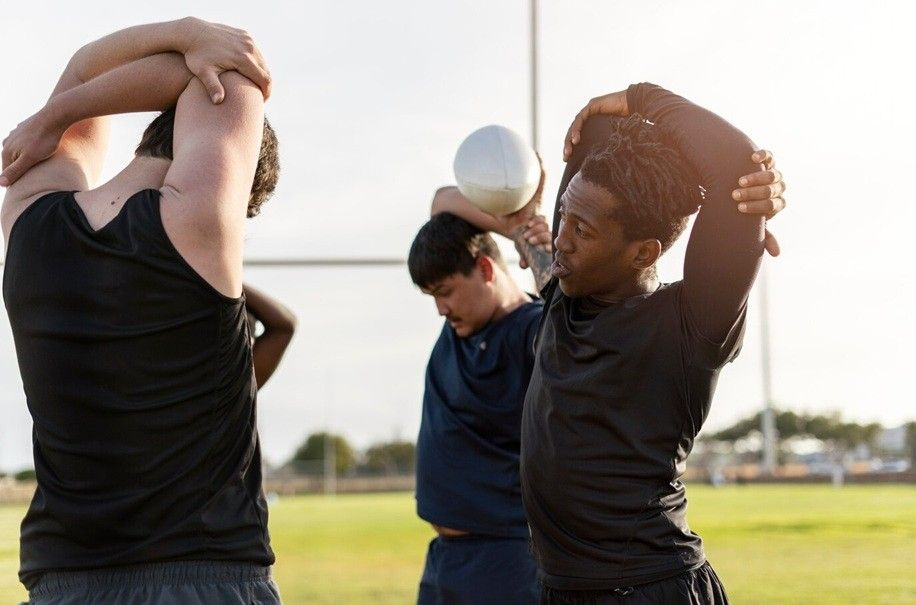
The Future of Mental Health in Sports
As the conversation around mental health in sports grows, so does our understanding of how to support athletes holistically. From addressing mental health issues in sports to building mental resilience and creating supportive team cultures, prioritizing mental well-being is no longer optional—it’s essential.
The answer to why mental health is important in sports lies in the well-being, performance, and longevity of the athlete. Let’s continue shifting the narrative, recognizing that strength isn’t just physical—it’s also emotional, mental, and relational.
If you’re an athlete or know one who could benefit from professional support, reach out to Uncover Mental Health Counseling. From Stress Management NYC to Addiction Therapy NYC, we’re here to help you thrive in and out of competition.Book an appointment today and take the first step toward building strength from the inside out.