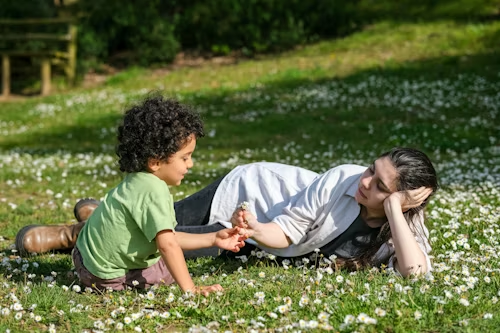

Mental health is a critical component of overall well-being, particularly during adolescence. The teenage years are a time of immense change, marked by physical, emotional, and social development. Given the pressures that teens face—academic demands, social expectations, and the rise of social media—it’s no surprise that mental health challenges such as anxiety, depression, and stress are common. That’s why mental health activities for teens are essential for fostering emotional resilience and well-being.
In this complete guide, we will explore practical mental health activities for teens, offer actionable mental health tips for teens, and discuss the importance of mental health awareness for teens. These strategies can help teens cope with the challenges they face, build positive habits, and improve their emotional health.
The Importance of Mental Health for Teens

The teenage years are often a time of heightened emotions. Teens may experience a wide range of feelings, from excitement and joy to frustration and loneliness. When these emotions become overwhelming, they can impact their daily lives, relationships, and overall mental well-being. Moreover, many teens face unique stressors, such as peer pressure, body image issues, and concerns about the future.
Mental health awareness for teens is crucial because early intervention can prevent long-term mental health struggles. By implementing mental health activities for teens, we can help them build coping skills, learn emotional regulation, and promote self-care practices that will serve them well into adulthood.
Incorporating mental health activities is a proactive way to support teens as they navigate the complexities of adolescence. These activities can reduce stress, improve mood, boost self-esteem, and help teens develop healthy ways of expressing their emotions.
What Are the 5 C’s of Mental Health?
The 5 C’s of mental health—Connection, Compassion, Coping, Community, and Care—form a holistic framework that can significantly improve emotional well-being. These principles guide individuals in building resilience, managing stress, and promoting overall mental health. By incorporating these elements into daily life, we can foster a supportive environment that nurtures mental well-being and personal growth.
- Connection
Connection is the foundation of mental health. Human beings are social creatures, and having meaningful relationships with others is essential for emotional stability. Positive connections with family, friends, or coworkers provide a sense of belonging and emotional support. Social interactions can help reduce feelings of loneliness, which are often linked to depression and anxiety. Building strong, healthy connections encourages individuals to feel understood and valued, which promotes a sense of security and emotional resilience. Whether through face-to-face interactions or online communication, maintaining these connections is crucial for mental well-being. - Compassion
Compassion, both for oneself and others, is another core component of mental health. Showing compassion allows individuals to approach difficult situations with empathy and understanding. Self-compassion involves being kind and patient with oneself, especially during times of failure or distress. Practicing self-compassion helps reduce self-criticism, which is often linked to feelings of inadequacy and anxiety. Extending compassion to others enhances emotional connection, promotes kindness, and creates a nurturing environment. Both self-compassion and compassion for others are powerful tools for cultivating emotional balance and resilience. - Coping
Coping refers to the strategies and techniques used to manage stress, adversity, and emotional challenges. Healthy coping mechanisms, such as deep breathing, mindfulness, exercise, and journaling, enable individuals to process difficult emotions and maintain mental clarity. Learning to cope effectively is essential for managing life’s inevitable stressors, whether in personal relationships, work environments, or health challenges. Individuals who develop strong coping skills are better equipped to handle pressure without becoming overwhelmed, leading to improved mental health over time. - Community
Community plays a significant role in mental well-being. Being part of a supportive community provides a sense of purpose, belonging, and connection. Communities offer resources, emotional support, and shared experiences, which help individuals feel less isolated. Whether through online forums, religious groups, or local social clubs, engaging with a community can reduce stress and foster a sense of shared responsibility. Building a strong community network is vital for long-term mental health, as it encourages open communication, emotional validation, and mutual support. - Care
The final “C” is care, which emphasizes the importance of both self-care and professional care in maintaining mental health. Self-care involves activities that nurture one’s physical, emotional, and mental well-being, such as getting enough sleep, eating healthy, exercising, and practicing relaxation techniques. Seeking professional care, through therapy or counseling, is also essential for individuals struggling with mental health issues. Professional care provides a safe, supportive space to explore deeper emotional challenges, gain insight, and learn coping skills. Regular self-care routines and seeking professional care when necessary help maintain balance and promote overall well-being.
Effective Mental Health Activities for Teens
There are various mental health activities that teens can incorporate into their daily routines. These activities can be done individually or in a group setting, and each offers a unique benefit to emotional well-being.
1. Mindfulness and Meditation
Mindfulness is the practice of being present in the moment and fully engaged with one’s surroundings, thoughts, and feelings. For teens struggling with anxiety, stress, or emotional overload, mindfulness and meditation can provide a sense of calm and balance.
- Why Mindfulness Works for Teens
Mindfulness practices help teens learn to manage their thoughts and emotions by grounding them in the present. This can alleviate feelings of stress and anxiety, as it encourages teens to observe their thoughts without judgment, rather than reacting impulsively. - Mindfulness Activities for Teens
Simple breathing exercises can be a great starting point. One easy practice is the “5-4-3-2-1” grounding exercise, where teens focus on five things they can see, four things they can touch, three things they can hear, two things they can smell, and one thing they can taste. Apps like Headspace and Calm also provide guided meditation sessions designed specifically for teens. - Incorporating Mindfulness into Daily Life
Encourage teens to incorporate short mindfulness practices into their daily routines. For example, they can practice mindful walking or eating, focusing on their senses and the present moment.
2. Journaling and Reflective Writing
Writing down thoughts, emotions, and experiences is a powerful way for teens to understand themselves better and process their feelings. Journaling is a therapeutic practice that can provide clarity, reduce anxiety, and foster emotional expression.
- Benefits of Journaling
Journaling can help teens develop emotional intelligence and recognize patterns in their thoughts and behaviors. It also allows them to express themselves without fear of judgment. Teens can write about their feelings, experiences, and reflections on their day, or they can try specific writing prompts. - How to Start Journaling
Teens can start by setting aside 10-15 minutes each day to write. They can focus on how they feel, what they’re grateful for, or what’s going well in their lives. If they struggle with where to begin, there are many online resources and journals with prompts that can spark creative expression.
3. Physical Activity and Exercise
Physical activity is an essential mental health activity for teens. Exercise boosts endorphin levels, the body’s natural mood elevators, and helps reduce stress and anxiety. Additionally, staying active encourages physical health, which in turn improves mental health.
- Exercise and Its Positive Impact on Mental Health
Regular physical activity improves sleep, reduces tension, and enhances cognitive function, all of which are vital for managing mental health. Activities like yoga, running, swimming, or even simple walking can help teens clear their minds and elevate their mood. - Incorporating Exercise into a Routine
Teens should find activities that they enjoy to make exercise a fun and sustainable part of their routine. Whether it’s team sports, individual workouts, or just dancing to music at home, encouraging movement is essential. Schools and local community centers often offer low-cost options for teens to join organized sports teams or fitness programs.
4. Art Therapy and Creative Expression
Art therapy is a highly effective mental health activity for teens, as it allows them to express complex emotions through creative outlets like drawing, painting, or sculpting. Engaging in art helps teens process their emotions in a non-verbal way.
- Benefits of Art Therapy
Art therapy fosters self-expression and provides a safe space for teens to explore their feelings without the need for words. It can also act as a form of self-discovery, helping teens understand their emotional triggers and conflicts. - Getting Started with Art Therapy
Teens can begin by picking up drawing materials and sketching freely or following an art tutorial to guide their creativity. Art doesn’t need to be perfect—it’s about the process of creation, not the result.
5. Social Connection and Support Groups
Maintaining healthy relationships and having a strong social support system is crucial for teens’ mental health. Social connection can buffer against feelings of loneliness and isolation, which are common during adolescence.
- Group Therapy and Peer Support
Participating in group therapy or peer support groups gives teens a safe space to connect with others who share similar experiences. This can help teens feel understood, reduce stigma around mental health, and foster empathy and self-compassion. - Finding Support Groups
Many mental health programs for teens offer group therapy as part of their services. These programs may focus on topics like anxiety, depression, self-esteem, or trauma. Participating in these programs can help teens learn new coping strategies and feel supported.
6. Breathing Exercises and Relaxation Techniques
Relaxation techniques such as deep breathing and progressive muscle relaxation can help teens reduce stress and calm their nervous system. These techniques are easy to learn and can be applied in moments of stress or anxiety.
- Breathing Exercises
The “4-7-8” breathing technique is a simple yet effective method for calming the mind. Inhale through the nose for four seconds, hold the breath for seven seconds, and then exhale through the mouth for eight seconds. This method helps reduce the body’s fight-or-flight response. - Progressive Muscle Relaxation
Progressive muscle relaxation involves tensing and then relaxing different muscle groups in the body. This technique helps teens release physical tension, which can also relieve mental stress.
How to Control Your Emotions as a Teenager

Managing emotions as a teenager involves recognizing your feelings and learning how to respond effectively. Start by identifying and acknowledging your emotions. Practice deep breathing or mindfulness techniques to stay calm in stressful situations. Find healthy outlets, like exercise or creative activities, to release pent-up feelings. Avoid reacting impulsively by taking a step back to think before responding. Talking to a trusted person can provide support. Building problem-solving skills and practicing self-compassion also helps. If emotions become overwhelming, seek professional help to develop better-coping strategies and emotional resilience.
Mental Health Tips for Teens
In addition to engaging in mental health activities, here are some practical mental health tips for teens to enhance their well-being:
- Prioritize Sleep: Sleep is crucial for emotional regulation. Encourage teens to get 8-10 hours of sleep each night to support mental and physical health.
- Limit Screen Time: Excessive screen time, especially on social media, can negatively impact self-esteem and contribute to feelings of isolation. Encourage teens to set boundaries around screen time.
- Practice Gratitude: Encourage teens to write down three things they’re grateful for each day. Practicing gratitude can shift their mindset and promote positive thinking.
- Seek Professional Help When Needed: If a teen is struggling with their mental health, encourage them to seek professional help. Therapists and counselors can provide valuable support and teach coping strategies.
Building Mental Health Awareness for Teens
As teens face a range of pressures and challenges, it’s essential to provide them with the tools and resources they need to maintain their mental health. Mental health activities for teens, such as mindfulness, journaling, and exercise, are excellent ways to build emotional resilience and foster well-being.
At Uncover Counseling, we offer specialized mental health services for teens, including therapy for anxiety, depression, trauma, and self-esteem issues. Our therapists utilize evidence-based treatments like Cognitive Behavioral Therapy (CBT), Dialectical Behavioral Therapy (DBT), and Acceptance and Commitment Therapy (ACT) to help teens develop healthy coping mechanisms. Whether your teen is struggling with anxiety, depression, or relationship issues, we are here to help. Book an appointment today to learn more about how we can support your teen’s mental health journey.