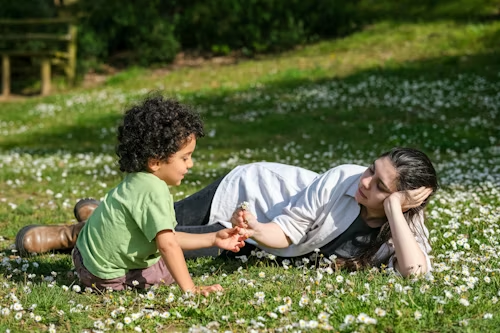

In today’s fast-paced world, finding solace and peace can be challenging, especially for those battling depression. Engaging in hobbies for depression offers a way to alleviate symptoms, build resilience, and find joy in everyday life. Meditative hobbies like yoga, tai chi, and others not only provide emotional relief but also improve physical health and mental well-being.
Understanding Depression and How Hobbies Help

Depression is more than just feeling sad—it can drain your energy, reduce motivation, and make even simple tasks overwhelming. Fortunately, hobbies act as an antidote by introducing structure, purpose, and enjoyment into your daily routine. By focusing on activities that bring fulfillment, individuals can redirect their minds from negative thoughts.
Therapeutic activities such as yoga and creative outlets can be effective complements to traditional treatments like Cognitive Behavioral Therapy (CBT) and Acceptance and Commitment Therapy (ACT). At Uncover Mental Health Counseling, we recognize the importance of hobbies in fostering recovery and building self-esteem.
Yoga: A Path to Inner Peace and Strength
Yoga is a centuries-old practice that continues to be a beacon of hope for individuals seeking a natural way to combat depression. By merging physical movement, mindfulness, and meditation, yoga offers an integrative approach to healing. For those exploring hobbies for depression, yoga stands out as a comprehensive solution that nurtures both the mind and body.
Extended Benefits of Yoga for Mental Health
The impact of yoga on mental health goes far beyond relaxation. It provides a framework for emotional stability, physical fitness, and resilience. Let’s delve deeper into its numerous benefits:
- Enhances Emotional Regulation
Yoga trains individuals to focus on the present moment, allowing them to identify and manage negative emotions. Through regular practice, feelings of anxiety and sadness can be replaced with a sense of calm and clarity. - Fosters Self-Esteem
Depression often undermines self-confidence, but yoga helps rebuild it. The sense of accomplishment from mastering poses and the inner peace gained from mindfulness exercises contribute to a positive self-image. - Reduces Symptoms of Co-Occurring Disorders
Depression is often accompanied by conditions like anxiety, stress, and trauma. Yoga addresses these by lowering stress hormones and promoting relaxation. Specific techniques, like Yin Yoga, are particularly effective for trauma recovery, helping individuals reconnect with their bodies in a gentle, non-threatening way. - Improves Social Interaction
While yoga can be practiced individually, joining online classes offers opportunities to connect with like-minded individuals. Shared experiences in these virtual communities can reduce feelings of isolation and foster a sense of belonging.
Why Yoga is an Answer to the Question: “Which of the Following Hobbies Contribute to Improving Your Physical Fitness?”
Yoga is not just for mental health—it’s also an excellent way to enhance physical fitness. Here’s why:
- Builds Strength and Flexibility
Dynamic poses like Warrior Pose or Downward Dog engage multiple muscle groups, improving strength and flexibility. Over time, these benefits contribute to better posture and reduced physical discomfort. - Boosts Cardiovascular Health
Vinyasa or Power Yoga involves continuous movement, which increases heart rate and improves circulation. This makes yoga a low-impact yet effective cardiovascular workout. - Enhances Balance and Coordination
Balancing poses, such as Tree Pose or Eagle Pose, train the body’s stability, reducing the risk of falls and injuries. - Aids in Recovery
Gentle yoga styles like Restorative Yoga or Hatha Yoga help those recovering from physical injuries or chronic conditions. By focusing on alignment and breath, these practices promote healing without strain.
Expanding Your Yoga Practice: Advanced Techniques for Emotional Healing
Once you’ve mastered the basics, integrating advanced techniques can further enhance your emotional well-being:
- Yoga Nidra (Yogic Sleep)
This guided meditation technique induces a state of deep relaxation, often referred to as conscious sleep. Yoga Nidra is particularly effective for alleviating insomnia and anxiety-related symptoms of depression. - Mantra Meditation
Chanting mantras during yoga sessions can help calm the mind and focus thoughts. The repetitive sounds create a vibrational harmony, reducing mental chatter and promoting positivity. - Partner Yoga
Practicing yoga with a partner fosters trust, communication, and connection. It’s an excellent way to improve relationship dynamics while enjoying a shared physical and emotional experience. - Pranayama (Breathing Techniques)
Advanced pranayama practices like Nadi Shodhana (alternate nostril breathing) or Kapalabhati (skull-shining breath) enhance oxygen flow, cleanse the mind, and boost energy levels.
Yoga and Therapy: A Synergistic Approach
For individuals undergoing therapy, yoga can complement their treatment plans:
- Therapeutic Synergy with Cognitive Behavioral Therapy (CBT)
Yoga enhances the effectiveness of CBT by fostering mindfulness and encouraging positive thinking patterns. Together, these practices help individuals reframe negative thoughts. - Integration with Acceptance and Commitment Therapy (ACT)
ACT emphasizes living in the present and accepting emotions without judgment—principles that align perfectly with yoga’s mindfulness philosophy. Practicing yoga alongside ACT can amplify its impact. - Support for Trauma Recovery
Trauma-sensitive yoga is designed specifically for individuals coping with PTSD or unresolved trauma. By focusing on gentle, empowering movements, it allows participants to regain a sense of safety in their bodies.
Tai Chi: Balancing the Mind and Body
Tai Chi, often called “meditation in motion,” is another powerful tool for addressing depression. This gentle martial art emphasizes slow, deliberate movements and controlled breathing, making it a calming yet physically engaging activity. For those exploring effective hobbies for depression, Tai Chi offers a unique blend of physical fitness and emotional healing.
How Tai Chi Helps with Depression
Tai Chi’s benefits for mental health stem from its ability to harmonize the mind and body:
- Reduces Cortisol Levels
Like yoga, Tai Chi lowers cortisol, alleviating stress and promoting emotional balance. - Enhances Focus and Mindfulness
The deliberate, flowing movements of Tai Chi require concentration, pulling individuals away from negative thought patterns and into the present moment. - Improves Physical Health and Mobility
Tai Chi strengthens muscles, improves balance, and increases flexibility. For those asking, which of the following hobbies contribute to improving your physical fitness?, Tai Chi is a clear answer. - Encourages Emotional Resilience
Regular practice fosters a sense of control and stability, both physically and emotionally. This is particularly beneficial for individuals feeling overwhelmed by depression.
Incorporating Tai Chi into Your Routine
Starting Tai Chi is simple, especially with the availability of online resources:
- Join Virtual Classes
Many organizations and instructors offer live-streamed Tai Chi sessions, making it easy to learn and practice from the comfort of home. - Explore Guided Videos
Platforms like YouTube host countless beginner-friendly Tai Chi tutorials. These videos break down complex movements into manageable steps, ensuring accessibility for all skill levels. - Commit to Consistency
Practicing Tai Chi for just 20-30 minutes a day can yield noticeable improvements in mental clarity and physical vitality.
Tai Chi’s Role in Holistic Healing
Similar to yoga, Tai Chi complements therapeutic approaches:
- ADHD and Focus
The meditative aspects of Tai Chi can help individuals with ADHD channel their energy and improve concentration. - Trauma Recovery
For trauma survivors, the controlled, flowing movements of Tai Chi provide a safe way to reconnect with their bodies. - Stress and Anxiety Management
Tai Chi’s emphasis on controlled breathing and graceful motion makes it a natural fit for anxiety therapy. By calming the nervous system, it reduces the intensity of anxious thoughts and feelings.
Through yoga and Tai Chi, individuals battling depression can find both physical strength and emotional stability, creating a foundation for long-term healing and well-being. These practices exemplify the transformative power of hobbies for depression.
Creative Hobbies: Expressing Yourself Through Art

Artistic outlets like painting, writing, or playing music are not just pastimes; they are transformative hobbies for mental health. These activities allow individuals to channel emotions, find meaning, and rediscover joy.
- Healing Through Creativity
Expressive hobbies nurture self-esteem and promote healing, particularly for those dealing with anger management or trauma. Activities like journaling help articulate feelings, while painting or crafting provides a sense of accomplishment. - Therapeutic Connection
Creative hobbies align with treatments like Dialectical Behavioral Therapy (DBT) and Prolonged Exposure Therapy by fostering mindfulness and emotional regulation.
Nature-Based Hobbies: Finding Comfort in the Outdoors
Spending time in nature offers unparalleled therapeutic benefits. Hobbies like gardening, hiking, or birdwatching encourage physical activity while grounding you in the present moment.
- Why Nature Heals
Being outdoors reduces stress and anxiety while improving mood and concentration. It’s an excellent way to disconnect from technology and reconnect with yourself.
(Keyword usage: which of the following hobbies contribute to improving your physical fitness?) - Getting Started with Nature-Based Hobbies
Begin with small, manageable activities like planting a windowsill herb garden or taking short walks in a nearby park. These simple steps can lead to profound mental health benefits.
Social Hobbies: Building Connections and Overcoming Isolation
Depression often isolates individuals, but engaging in social hobbies fosters connection and a sense of belonging. Activities like group yoga, online book clubs, or virtual volunteering can help combat loneliness.
- The Power of Shared Activities
Joining a group activity not only improves social skills but also provides a support network. Shared experiences reduce feelings of isolation and boost overall mental health. - Recommendations for Online Social Hobbies
Explore platforms offering virtual classes or meetups to find hobbies that align with your interests and availability.
Overcoming Barriers: How to Find Hobbies When Depressed
Starting new hobbies can feel daunting, especially when energy and motivation are low. Here are some tips to help you get started:
- Start Small
Choose activities that require minimal effort, such as coloring or watching nature documentaries. - Experiment with Different Activities
Explore various hobbies until you find one that resonates with you. Remember, the goal is to enjoy the process, not to achieve perfection. - Leverage Therapy
Collaborating with a therapist for depression can help identify hobbies suited to your needs. Therapy modalities like Psychodynamic Therapy and Rational Emotive Behavioral Therapy (REBT) can also address underlying challenges.
FAQs: Meditative Hobbies for Depression
1. How can meditative hobbies like yoga and Tai Chi help with depression?
Meditative hobbies such as yoga and Tai Chi help combat depression by reducing stress hormones, promoting relaxation, and improving overall physical and emotional well-being. These practices encourage mindfulness, enhance mood, and foster a deeper connection between mind and body, making them effective tools for managing depressive symptoms.
2. Which is better for beginners with depression: yoga or Tai Chi?
Both yoga and Tai Chi are excellent choices for beginners, but the best option depends on your preferences and physical condition. Yoga offers a mix of poses, mindfulness, and breathing exercises that can be easily modified for different fitness levels. Tai Chi focuses on slow, flowing movements and is ideal for individuals seeking gentle, low-impact exercises to reduce stress and enhance mental clarity.
3. How often should I practice yoga or Tai Chi to see results for depression?
Consistency is key when practicing yoga or Tai Chi for depression. Aim for at least 20-30 minutes, three to five times a week. With regular practice, you may start noticing improvements in mood, stress levels, and physical fitness within a few weeks.
4. Can meditative hobbies like yoga and Tai Chi replace therapy for depression?
While yoga and Tai Chi can significantly improve mental health, they should not replace professional therapy for depression. Instead, these practices can complement treatments like Cognitive Behavioral Therapy (CBT) or Acceptance and Commitment Therapy (ACT), enhancing the overall healing process.
5. Are there online resources available for learning yoga and Tai Chi?
Yes, many online platforms offer classes, tutorials, and guided sessions for both yoga and Tai Chi. Websites like YouTube, specialized apps, and virtual sessions with certified instructors make it easy to practice these hobbies from the comfort of your home. Additionally, organizations like Uncover Mental Health Counseling can guide you on incorporating these activities into your mental health routine.
These FAQs address common concerns, helping readers feel confident about incorporating meditative hobbies into their routines for improved mental health.
Discover Hobbies and Therapy for a Brighter Tomorrow
Engaging in hobbies for depression—whether it’s yoga, tai chi, or creative arts—provides an effective way to manage symptoms, reduce stress, and improve overall well-being. Combined with professional support, these activities can transform your journey toward recovery.
At Uncover Mental Health Counseling, we specialize in online therapy, offering treatments like Cognitive Behavioral Therapy and Acceptance and Commitment Therapy to help you thrive. Start your journey to wellness today.
Book an appointment now and discover how hobbies and therapy can help you find joy, peace, and fulfillment.