Communication has evolved faster in the past decade than in the previous century. Platforms like Instagram, TikTok, and X (formerly Twitter) dominate how we connect. While social media increases access, it also changes how deeply we listen, empathize, and interact in real life.
This guide explores how social media affects communication in 2025, how it shapes relationships and emotional well-being, and how therapy — including virtual counseling in NYC — can help rebuild healthier, authentic communication habits across neighborhoods like Manhattan, Brooklyn, Westchester County, or Long Island.
The Impact of Social Media on Communication

Social media doesn’t just change how we send messages — it influences how we think, feel, and relate to others. Platforms like Instagram, TikTok, and X (formerly Twitter) affect emotional expression, attention spans, and conversational habits.
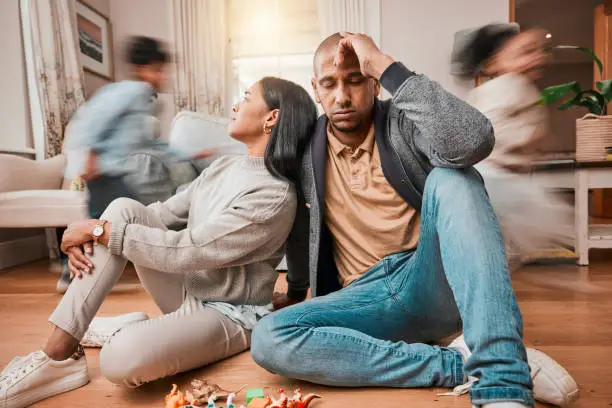
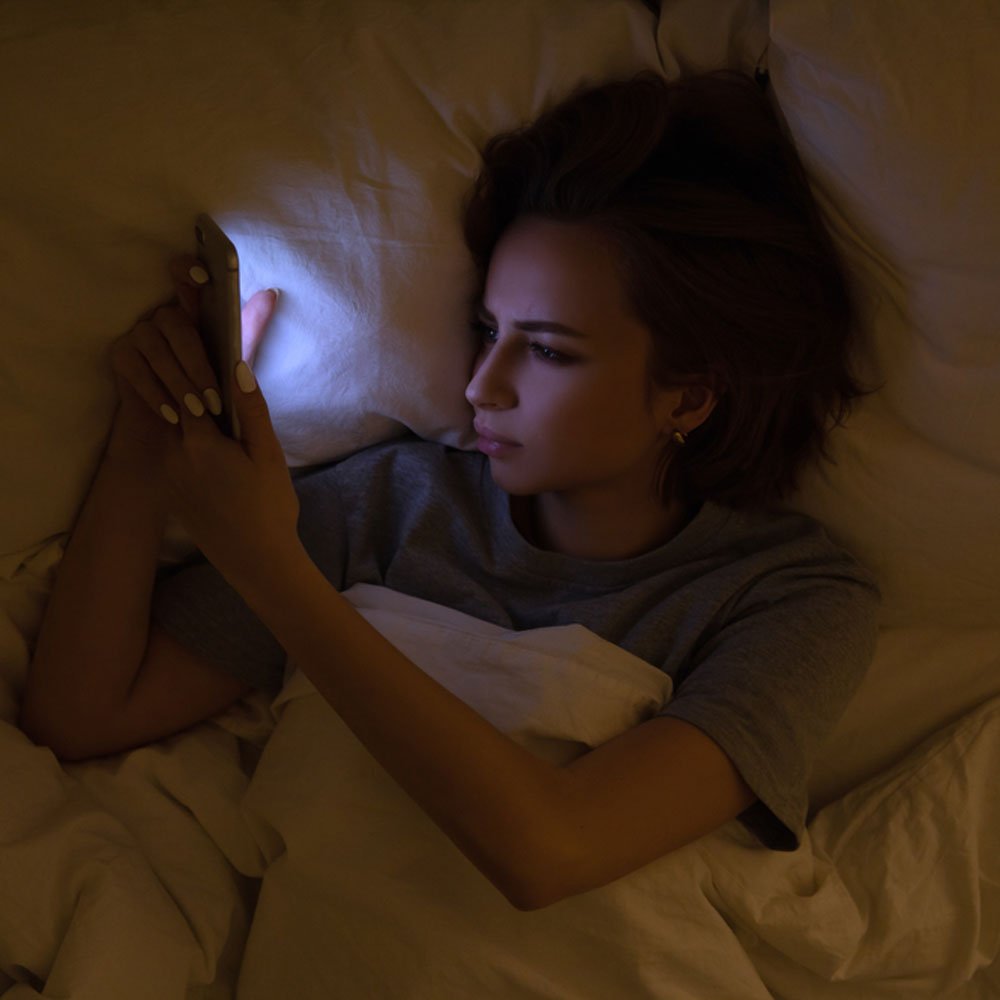
Instant Connection — With Constant Distraction
Messages now travel across the world in seconds. Families, partners, and friends stay connected regardless of distance.
But constant access brings challenges:
- Notifications interrupt conversations
- People multitask through real-life interactions
- Presence is divided between screens and relationships
Pew Research (2024) found that 74% of adults check social media before or during in-person conversations, decreasing eye contact and emotional engagement.
A Bigger Voice — And Bigger Pressure
Social media gives everyone a platform. Global conversations about mental health, identity, and social issues have more representation than ever.
Positive outcomes:
- Awareness and advocacy
- Finding community
- Educational content
Negative effects:
- Information overload
- Misinformation
- Toxic comparison culture
- Pressure to appear “perfect” online
If social media is affecting confidence, self-image, or mental health, therapy helps rebuild resilience, boundaries, and self-worth.
➡️ Explore self-esteem therapy or virtual counseling in NYC
Shorter, Faster Communication
Digital communication thrives on brevity:
- Emojis
- GIFs
- Memes
- Reaction buttons
- Short captions
While expressive, this “compressed language” can remove emotional context — leading to misunderstandings.
A 2023 University of Michigan study found frequent social media users reported:
- Lower active-listening skills
- More discomfort with emotional vulnerability
- Higher conflict avoidance in real conversations
Social Media and Relationship Dynamics
Social media can bring people closer — but also push them apart.
How it helps
- Staying connected during travel or long distance
- Learning each other’s interests
- Sharing life moments
How it harms
- Likes replace conversation
- Couples argue about online interactions
- Comparison creates insecurity
- Friends grow apart without offline interaction
Small, practical resets:
- Phone-free meals
- No scrolling during dates or conversations
- Send messages directly instead of vague posting
- Prioritize in-person connection when possible
➡️ Explore relationship therapy or virtual couples counseling across New York State
The Broader Societal Impact of Social Media

Social media now influences more than personal communication — it shapes culture, politics, and mental health.
Cultural Shifts
Anyone can publish, react, or go viral.
This increases representation — but also creates:
- Echo chambers
- Algorithm-driven bias
- Cancel culture
- Public shaming
Healthy digital communication requires empathy and critical thinking — especially when opinions differ.
Community Building
For many people, online spaces are meaningful and emotionally supportive:
- Mental health support groups
- LGBTQIA+ communities
- Identity-affirming spaces
- Niche hobbies and interests
If online connection feels easier than face-to-face interaction, therapy can help bridge digital communication with real-world emotional connection.
Professional and Economic Communication
Social platforms now function as workplaces:
- Entrepreneurs, freelancers, and influencers rely on social media for income
- The pressure to stay visible can lead to burnout, anxiety, and self-comparison
➡️ NYC therapists help with anxiety, burnout, and boundary setting around online work.
Psychological and Emotional Effects
Social media can be inspiring — and socially destructive.
Common emotional outcomes include:
- Comparison and self-doubt
- Fear of missing out
- Loneliness
- Social anxiety
- Cyberbullying or fear of judgment
Healthy habits help restore balance:
- Spend conscious time offline
- Journal or reflect on emotional triggers
- Curate a supportive feed
- Turn off notifications during real-life moments
Digital Safety & Privacy
Every post leaves a digital footprint.
Oversharing can create emotional, professional, or legal vulnerability.
Healthy communication means knowing:
- What to share
- What to keep private
- Who earns access to your emotional world
How to Communicate Mindfully in 2025
- Pause before posting — ask why you’re sharing
- Share authentically, not performatively
- Replace scrolling with conversation when possible
- Use Do Not Disturb during meals or dates
- Practice active listening
- Take breaks from constant online stimulation
How Therapy Helps Your Communication Skills
Social media can make connection feel easier — but emotional intimacy harder.
Therapy helps people:
- Build confidence speaking face-to-face
- Manage comparison, jealousy, or insecurity
- Strengthen relationships
- Set boundaries with devices
- Improve emotional expression
- Reduce anxiety about being “seen” in real life
Whether someone prefers in-person sessions or virtual therapy anywhere in NYC, support is available.
Frequently Asked Questions
How does social media affect face-to-face communication?
It can reduce emotional presence, eye contact, and comfort with vulnerability. Many people report feeling “rusty” or anxious during deeper conversations.
What are the positive effects of social media?
It builds community, increases accessibility, connects long-distance relationships, spreads information, and gives marginalized voices a platform.
How can I improve communication if social media has impacted my skills?
Set screen boundaries, prioritize offline conversations, and consider therapy to rebuild active listening, emotional expression, and healthy communication habits.
Conclusion
Social media is not good or bad — it’s a tool.
Used intentionally, it can strengthen connection, build community, and spark meaningful conversations.
Used unconsciously, it can lead to distraction, comparison, and emotional disconnection.If social media has affected your communication, confidence, or relationships, therapy offers a safe space to reconnect with yourself and others — online and offline.
Uncover Mental Health Counseling provides in-person and virtual therapy across New York City and New York State.