

Methamphetamine, commonly known as meth, is a powerful stimulant that has severe effects on both the body and mind. Whether you’re concerned about the potential health implications, facing a drug test, or supporting someone through recovery, understanding How Long Does Meth Stay in Your System is crucial. In this comprehensive guide, we will explore the duration meth remains detectable in the body, the factors influencing this duration, and the risks associated with meth use.
What Happens When You Use Meth?

Effects of Meth on the Body and Brain
Methamphetamine acts on the central nervous system, causing a rapid release of dopamine, the brain’s pleasure chemical. This leads to intense feelings of euphoria, increased energy, and heightened alertness. However, these effects are short-lived, often leading users to take more of the drug to maintain the high, which can quickly result in addiction.
Prolonged use of meth can cause significant damage to the body and brain. One of the most visible effects is the development of meth teeth, a condition characterized by severe dental decay and gum disease. The combination of dry mouth, teeth grinding, and poor oral hygiene contributes to this devastating outcome.
Common Methods of Meth Use
Methamphetamine can be consumed through various methods, each affecting the body and brain in different ways. Understanding these methods is crucial for recognizing the associated risks and complications.
- Smoking:
Smoking meth is one of the most prevalent methods of use. The drug is inhaled through a pipe or other apparatus, which allows it to rapidly reach the brain. This method produces an intense and immediate high due to the swift delivery of the drug into the bloodstream. However, smoking meth comes with significant risks, including:- Addiction: The rapid onset of effects can lead to a higher potential for addiction as users may seek to recreate the intense high.
- Lung Damage: Inhalation of meth can cause severe harm to the respiratory system, leading to chronic lung conditions and other respiratory issues.
- Snorting:
Snorting meth involves inhaling the powdered form of the drug through the nose. This method results in a slower onset of effects compared to smoking but still produces a potent high. The risks associated with snorting meth include:- Nasal Damage: Chronic snorting can lead to severe damage to the nasal passages, including bleeding, chronic sinus infections, and a deteriorated sense of smell.
- Absorption Issues: The drug is absorbed more slowly through the nasal membranes, which can lead to prolonged and potentially harmful exposure to meth.
- Injecting:
Injecting meth directly into the bloodstream provides an almost immediate and intense rush of effects. This method is associated with several serious risks:- Overdose: The rapid delivery of meth into the bloodstream increases the risk of overdose, which can be life-threatening.
- Infections: Using needles can lead to infections at the injection site, as well as systemic infections if needles are shared or not properly sterilized.
- Vein Damage: Frequent injections can cause significant damage to veins, making them scarred and collapsed over time.
Each method of meth use presents its own set of dangers, and the choice of method can impact the severity of the health consequences experienced. Understanding these risks is crucial for addressing meth addiction and seeking appropriate treatment and support.
The Risks Associated with Meth Use
Meth use is associated with numerous risks, both physical and mental. In addition to meth teeth, chronic use can lead to severe weight loss, skin sores, and cardiovascular problems. Mental health issues, such as anxiety, depression, paranoia, and psychosis, are also common among long-term users.
The potential for overdose is another critical risk. An overdose can cause hyperthermia, seizures, heart attack, and even death, making it essential to understand the dangers of meth use and the importance of seeking help.
Factors That Influence How Long Meth Stays in Your System
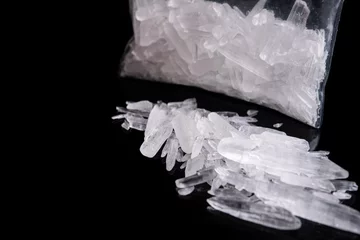
Dosage and Frequency of Use
One of the most significant factors influencing how long meth stays in your system is the dosage and frequency of use. Occasional users may eliminate meth from their system relatively quickly, while chronic users may have meth detectable in their system for much longer due to the accumulation of the drug in the body.
Metabolism and Body Composition
Each person’s metabolism plays a crucial role in how quickly meth is processed and eliminated from the body. Factors such as age, overall health, liver and kidney function, and body fat percentage can all impact the duration meth stays in your system. Individuals with a faster metabolism will typically clear the drug more quickly, while those with slower metabolic rates may have meth detectable in their system for longer periods.
Purity and Composition of Meth
The purity of the meth used can also affect how long meth stays in your system. Pure meth is metabolized differently than meth that has been cut with other substances, which can prolong detection times and increase the risk of complications. The presence of other substances can also complicate the body’s ability to process and eliminate meth.
Method of Use
The method of meth ingestion significantly influences how quickly it is absorbed and eliminated from the body. For example, smoking meth results in a rapid onset of effects, but the drug is also cleared from the bloodstream more quickly compared to snorting or injecting, which may result in longer detection times.
How Long Meth Stays in Different Parts of the Body
How Long Does Meth Stay in Your System?
The duration meth stays in your system can vary based on several factors, including the method of use, dosage, frequency, and individual metabolic differences. On average, meth can be detected in the body for:
- Urine: 3-7 days after use
- Blood: 1-3 days after use
- Saliva: 1-4 days after use
- Hair: Up to 90 days or more after use
Understanding these detection times is crucial, especially if you are undergoing drug testing or concerned about the long-term effects of meth use on your body.
How Long Does Meth Stay in Urine?
How long does meth stay in urine is one of the most common questions asked by those facing drug tests. Meth is typically detectable in urine for 3-7 days after use. However, this detection window can be longer for chronic users or those who use high doses of meth. Urine tests are the most common method for detecting meth, as they are non-invasive and provide a relatively long detection window.
How Long Does Crystal Meth Stay in Your System?
How long does crystal meth stay in your system specifically refers to the detection times for the crystalline form of methamphetamine. The detection times for crystal meth are similar to those of other forms of meth:
- Urine: 3-7 days
- Blood: 1-3 days
- Saliva: 1-4 days
- Hair: Up to 90 days or more
These times can vary depending on individual factors such as metabolism, frequency of use, and the method of ingestion.
Meth Detection in Blood and Saliva
Blood and saliva tests are often used for more immediate detection of meth use. Meth is typically detectable in blood for up to 1-3 days after use. Saliva tests, on the other hand, can detect meth use within 1-4 days. These methods are often used in situations where recent drug use needs to be confirmed, such as in emergency medical settings or legal cases.
Meth Detection in Hair
Hair tests provide the longest detection window, with meth detectable in hair for up to 90 days or more. Hair testing is often used in legal and employment settings to establish a history of drug use over several months. This method can be particularly useful for identifying chronic meth use, as it provides a long-term view of an individual’s drug use patterns.
The Health Risks and Consequences of Meth Use

Meth Teeth and Oral Health Issues
One of the most visible and severe consequences of meth use is meth teeth. This condition is characterized by severe dental decay, gum disease, and tooth loss. The combination of dry mouth, teeth grinding, and poor oral hygiene associated with meth use leads to rapid deterioration of oral health. Meth teeth not only affect appearance but also cause significant pain and difficulty with eating and speaking.
Mental Health Impacts
Meth use has profound effects on mental health. The stimulant properties of meth can lead to increased anxiety, paranoia, and aggression. Over time, meth can cause significant mental health issues, including depression, psychosis, and symptoms similar to ADHD. These mental health challenges often persist even after meth use has stopped, making long-term treatment and support essential.
The Dangers of Meth Overdose
Meth overdose is a life-threatening condition that requires immediate medical attention. Symptoms of a meth overdose include hyperthermia (dangerously high body temperature), seizures, chest pain, and respiratory distress. In severe cases, meth overdose can lead to cardiovascular collapse, stroke, and death. Understanding the risks of overdose highlights the importance of seeking help for meth addiction.
Impact on Relationships and Social Life
Meth addiction can severely strain relationships and social life. The behaviors associated with addiction, such as secrecy, lying, and aggression, often lead to conflicts with family, friends, and colleagues. Over time, meth addiction can result in social isolation, damaged relationships, and a breakdown of support systems. Relationship therapy can play a crucial role in rebuilding trust and repairing the damage caused by meth addiction.
Seeking Help and Treatment for Meth Addiction
Recognizing the Need for Professional Support:
Acknowledging the need for professional help is a critical first step toward overcoming meth addiction. Methamphetamine addiction can have severe physical, psychological, and social impacts. Signs that it’s time to seek professional support include:
- Difficulty Quitting: Struggling to stop using meth despite multiple attempts or experiencing repeated relapses.
- Withdrawal Symptoms: Experiencing symptoms such as fatigue, depression, anxiety, or intense cravings when not using meth.
- Mental Health Challenges: Facing mental health issues like severe mood swings, paranoia, or hallucinations that interfere with daily life.
Early intervention is essential. Seeking help as soon as possible can prevent further health complications and increase the likelihood of a successful recovery.
Available Treatment Options:
- Detox Programs: Medically supervised detoxification is often the first step in recovery. These programs provide a safe environment for managing the physical and psychological symptoms of meth withdrawal. Medical professionals monitor and support individuals as they clear meth from their system, ensuring a safer detox process.
- Inpatient and Outpatient Rehabilitation: Rehabilitation programs offer structured treatment designed to help individuals build the skills necessary for long-term recovery. Inpatient rehab provides intensive support in a residential setting, while outpatient rehab allows individuals to continue living at home while attending therapy sessions and support groups.
- Therapy: Addressing the psychological aspects of meth addiction is crucial for long-term recovery. Effective therapies include:
- Cognitive Behavioral Therapy (CBT): Helps individuals identify and change negative thought patterns and behaviors associated with addiction.
- Dialectical Behavioral Therapy (DBT): Focuses on building coping skills to manage emotional distress and reduce harmful behaviors.
- Acceptance and Commitment Therapy (ACT): Encourages individuals to accept difficult emotions and commit to meaningful actions that support recovery.
The Role of Uncover Mental Health Counseling:
At Uncover Mental Health Counseling, we are dedicated to providing comprehensive care for those dealing with meth addiction and related mental health issues. Our services include:
- Rational Emotive Behavioral Therapy (REBT): Helps individuals identify and challenge irrational beliefs that contribute to addictive behaviors.
- Anger Management: Provides strategies for managing and expressing anger in healthy ways, which can be particularly important for those struggling with substance abuse.
- Self-Esteem Building: Focuses on improving self-worth and confidence, which are often affected by addiction.
Our team is committed to offering personalized support tailored to each individual’s needs. By addressing both the addiction and underlying mental health issues, we work to help individuals achieve a healthier, more fulfilling life.
Breaking the Cycle—Meth Detection Timelines and Seeking Help of a Addiction Therapist in New York City
Understanding how long meth stays in your system is essential for anyone using this powerful stimulant, whether for occasional use or chronic addiction. Detection times vary based on factors such as the method of ingestion, frequency of use, and individual metabolism. However, the risks associated with meth use—particularly the potential for meth teeth, mental health issues, and overdose—make it vital to approach this drug with caution and seek help if needed.
If you or someone you know is struggling with meth use, don’t wait to seek help. Book an appointment with Uncover Mental Health Counseling today. Our experienced therapists are ready to support you through your recovery journey and help you achieve long-term wellness.