

Alcohol plays a significant role in social gatherings, celebrations, and even stressful moments for many. However, if you’ve ever found yourself asking, am I an alcoholic, you might already be on the path to self-awareness. Alcohol addiction, or Alcohol Use Disorder (AUD), is more common than many realize, and it often goes unnoticed until significant problems arise.
At Uncover Mental Health Counseling, we understand that recognizing the signs of alcoholism and seeking help can be challenging. In this comprehensive guide, we’ll explore the signs, symptoms, and when it’s time to seek professional counseling for alcohol use. If you’re worried about your relationship with alcohol or questioning whether you’re struggling, this blog will provide the answers you need.
Understanding Alcohol Use Disorder (AUD)
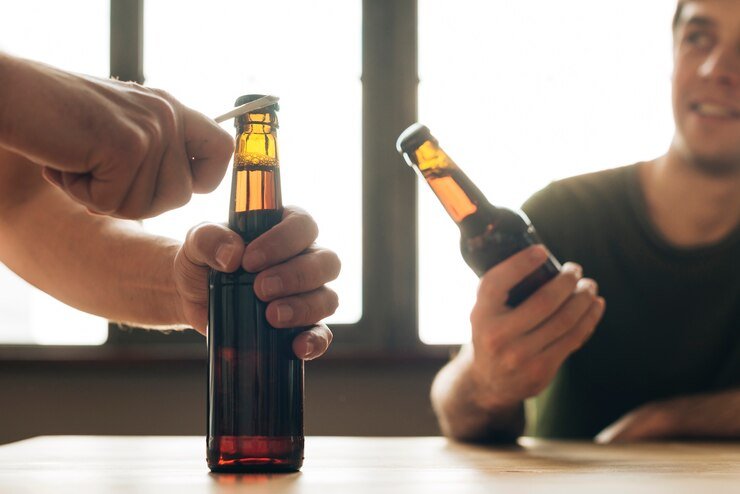
Alcohol Use Disorder (AUD) is a medical condition where individuals are unable to control or stop their drinking, despite its harmful effects on their life. It ranges from mild to severe and affects people in different ways. AUD can develop gradually, starting with social drinking and escalating over time.
If you’ve ever wondered, am I an alcoholic if I drink every weekend, you’re not alone. While not everyone who drinks socially has AUD, it’s important to recognize when weekend drinking turns into something more. Social drinking can develop into a habit, and that habit can lead to dependency.
Different Types of Drinking Patterns
- Binge Drinking: Consuming a large amount of alcohol in a short period, usually with the goal of getting drunk.
- Daily Drinking: Regular, consistent consumption of alcohol, often leading to dependency.
- Functioning Alcoholic: Someone who can manage their responsibilities (like work and family) but is still dependent on alcohol. This can be misleading as it creates the illusion that everything is under control when it’s not.
If you’re asking this, take a closer look at your drinking patterns. Are you consuming more than you used to? Is alcohol becoming necessary for you to relax or unwind? These are important questions to consider.
Common Signs and Symptoms of Alcoholism
Alcoholism doesn’t always look the same for everyone. Some individuals may display clear signs of excessive drinking, while others may be better at hiding it. Still, certain physical, emotional, and behavioral symptoms can help you determine whether your relationship with alcohol is healthy or problematic.
Physical Signs
A key indicator of alcohol abuse is visible physical changes. For instance, what’s commonly referred to as alcoholic face includes symptoms such as:
- Broken capillaries around the nose and cheeks.
- A flushed or bloated appearance.
- Puffy eyes or facial redness.
Other physical symptoms include:
- Frequent hangovers or nausea.
- Weight fluctuations due to erratic eating habits caused by heavy drinking.
- Poor hygiene, which might be neglected due to excessive drinking.
Physical signs of alcohol dependency become more noticeable over time. If you’re asking if you’re an alcoholic, these external symptoms may provide some clues about the extent of your drinking habits.
Behavioral Changes
Alcohol addiction often brings about distinct behavioral shifts. If you find yourself withdrawing from social situations or responsibilities, this may be an indicator of a deeper problem. Common behavioral symptoms include:
- Secretive drinking or hiding the amount you’re consuming.
- Neglecting important commitments (work, family, social).
- Prioritizing alcohol over hobbies or activities you once enjoyed.
Another key behavioral sign is irritability or quick-to-anger moments, which can often lead to the need for anger management interventions. Alcohol lowers inhibitions and can heighten emotional responses, making you more reactive.
Cognitive Symptoms
Long-term alcohol use can have severe consequences for brain function. Some cognitive signs of alcoholism include:
- Memory loss or frequent blackouts.
- Difficulty concentrating or making decisions.
- Confusion or disorientation after drinking heavily.
These cognitive symptoms may overlap with conditions like ADHD or stress, further complicating diagnosis. Working with a therapist for depression or other mental health issues can help you untangle the cognitive effects of alcohol from other potential conditions.
Emotional Changes
One of the most profound impacts of alcohol abuse is on your emotional state. Depression, anxiety, and low self-esteem are common in those suffering from Alcohol Use Disorder. You might find that:
- You drink to self-medicate feelings of sadness or worry.
- Your mood swings become more frequent and intense.
- You feel guilty or ashamed after drinking.
Seeking anxiety therapy or counseling for emotional regulation can help manage the negative emotions triggered by alcohol use. Recognizing these emotional changes is crucial when evaluating whether or not you have a drinking problem.
Therapies for Managing Symptoms
Alcoholism can be treated with various therapeutic approaches, depending on the individual’s needs:
- Cognitive Behavioral Therapy (CBT) is one of the most effective methods for changing thought patterns that drive destructive behaviors, such as excessive drinking.
- Acceptance and Commitment Therapy (ACT) encourages individuals to accept their emotions and commit to healthy behavior changes, even when the urges to drink are strong.
Psychological Impact of Alcoholism

The psychological effects of alcoholism can be just as damaging as the physical ones. Alcohol is often used as a way to escape from emotional or psychological pain, but it ultimately exacerbates those issues. In fact, alcohol abuse is commonly linked with co-occurring mental health conditions like trauma, depression and anxiety.
Alcohol and Anxiety
Many people turn to alcohol as a way to manage anxiety, believing it will help them relax. However, alcohol’s effects on the brain can actually increase anxiety over time. As tolerance builds, more alcohol is required to achieve the same calming effect, leading to dependency and worse anxiety.
At Uncover Mental Health Counseling, anxiety therapy is a critical component of treatment for those struggling with alcohol use and anxiety disorders. Therapy helps individuals manage anxiety without relying on alcohol as a crutch.
Alcohol and Trauma
Trauma is another underlying issue that often contributes to alcohol abuse. Many people use alcohol to numb the emotional pain associated with trauma, but this only delays healing. Prolonged Exposure Therapy is a highly effective method for helping individuals process traumatic memories and reduce the need for alcohol as an escape.
Therapeutic Interventions
Various therapeutic approaches are available to address the psychological impacts of alcoholism:
- Rational Emotive Behavioral Therapy (REBT): This approach challenges irrational beliefs that may be driving alcohol abuse, helping individuals replace them with healthier thought patterns.
- Dialectical Behavioral Therapy (DBT): DBT focuses on emotional regulation, helping individuals manage the intense emotions that often drive their alcohol use.
The Functioning Alcoholic: Myths and Realities
The term functioning alcoholic is used to describe someone who appears to maintain their job, family, and social responsibilities while still being dependent on alcohol. Many functioning alcoholics believe they don’t have a problem because they can manage their responsibilities. However, this is a dangerous misconception.
The Reality of a Functioning Alcoholic
While a functioning alcoholic may not face immediate life disruptions, the long-term effects of alcohol use are inevitable. Chronic alcohol use can lead to serious health complications, strained relationships, and an eventual decline in the ability to function.
Long-Term Consequences
Functioning alcoholics often experience:
- Gradual health deterioration (liver damage, cardiovascular issues).
- Emotional distance or conflict in personal relationships.
- A slow decline in professional performance or focus.
If you find yourself asking you’re an alcoholic, but feel that your life is still in order, it’s important to recognize that even functioning alcoholics are at risk for severe long-term consequences. The sooner you seek help, the better your chances of preventing irreversible damage.
When Should You Seek Help?
If you’ve been questioning your drinking habits and asking if you’re an alcoholic, it’s crucial to know when to seek help. Alcoholism is a progressive disease, meaning it will get worse over time if left untreated. Here are some key signs that it’s time to talk to a professional:
- You’ve built up a tolerance to alcohol, needing more to feel the same effects.
- You experience withdrawal symptoms like shaking, sweating, or nausea when not drinking.
- Your drinking has caused problems at work, home, or in your relationships.
Overcoming Denial
Denial is one of the biggest barriers to getting help for alcoholism. Many people delay seeking treatment because they fear the stigma associated with addiction. Others may convince themselves that they have their drinking under control. However, continuing to ask, am I an alcoholic, suggests that deep down, you know something is wrong.
At Uncover Mental Health Counseling, we offer relationship therapy to help you repair the damage alcohol may have caused in your personal life. Our counselors also provide support for rebuilding your self-esteem, which is often eroded by the shame and guilt associated with addiction.
Therapies for Recovery
Our team uses a variety of therapeutic interventions to help individuals recover from alcoholism:
- Psychodynamic Therapy: This approach explores the root causes of your alcohol use, such as unresolved emotional conflicts or trauma.
- Cognitive Behavioral Therapy (CBT): CBT focuses on changing the harmful thought patterns and behaviors that fuel alcohol addiction.
How Alcoholism Affects Relationships and Self-Esteem
Alcoholism doesn’t just affect the individual; it impacts everyone around them. Relationships with family, friends, and romantic partners are often the first to suffer when alcohol becomes a problem. Alcohol-fueled arguments, broken promises, and emotional distance can damage even the strongest relationships.
Self-Esteem and Alcohol
Alcohol addiction often leads to a decline in self-esteem. Many people feel trapped in their addiction, powerless to change. These feelings of helplessness can perpetuate the cycle of alcohol abuse. At Uncover Mental Health Counseling, our self-esteem therapy helps individuals regain their confidence and rebuild their lives free from alcohol.
Repairing Relationships
Relationship therapy can help individuals repair the damage caused by alcoholism. Whether it’s a marriage strained by drinking or a friendship broken by alcohol-fueled conflicts, therapy provides a safe space for open communication and healing.
Mental Health Counseling: Your Path to Recovery
At Uncover Mental Health Counseling, we provide comprehensive support for individuals struggling with alcoholism and its associated mental health challenges. Our counselors are experienced in treating addiction, trauma, anxiety, and other co-occurring conditions.
Our Treatment Approach
We use a combination of evidence-based therapies to address both the addiction and its underlying causes:
- Cognitive Behavioral Therapy (CBT): This therapy focuses on changing negative thought patterns and behaviors that contribute to alcohol abuse.
- Acceptance and Commitment Therapy (ACT): ACT helps individuals accept their emotions and commit to positive behavioral changes, even in the face of cravings.
Start Your Journey to Recovery
If you’re struggling with alcohol addiction and asking yourself, am I an alcoholic, it’s time to seek help. At Uncover Mental Health Counseling, we offer tailored treatment plans designed to meet your unique needs. Whether you need anxiety therapy, help managing anger, or support for trauma, our counselors are here for you.
If You’re Wondering “Am I an alcoholic,” Then You Probably Are.
Alcoholism is a serious condition that affects every aspect of life, from your physical health to your emotional well-being and relationships. If you’ve been questioning your relationship with alcohol and asking, am I an alcoholic, the time to act is now.
At Uncover Mental Health Counseling, we are dedicated to helping individuals overcome addiction and build healthier, happier lives. Don’t wait until alcohol takes more from you—book an appointment today and take the first step toward recovery.