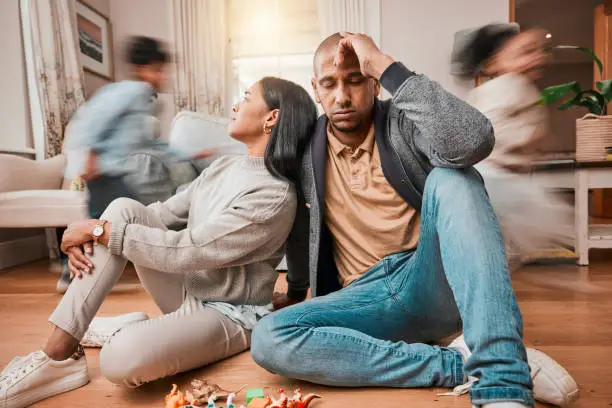

Are constant arguments draining the love from your relationship? If so, you’re not alone. Every couple faces conflicts, but it’s how you deal with them that can make or break your bond.
In this blog, we go over common reasons couples end up fighting and if you’re tired of the tension and ready to restore harmony, we also offer seven practical strategies on how to stop fighting in a relationship and foster a healthier bond. t
10 Common Reasons Couples Fight
People fight in relationships for various reasons, and understanding these underlying causes can help address conflicts more effectively.
Here are some common reasons why people in relationships fight.By identifying these common reasons, you can also learn how to stop arguing with your spouse and improve your relationship.
1. Miscommunication
Communication breakdowns occur when there’s a failure to convey thoughts, feelings, or intentions clearly between partners. This can lead to misunderstandings, misinterpretations, and ultimately, conflict.
For example, one partner might assume they know what the other is thinking or feeling without confirming it, leading to frustration when their assumptions are incorrect.
Additionally, differences in communication styles or lack of active listening can further exacerbate miscommunication, causing resentment to build over time.
2. Unmet Needs
When individuals feel their emotional, physical, or relational needs aren’t being met within the relationship, it can create a sense of dissatisfaction and frustration.
For instance, if one partner desires more affection or emotional support than they’re receiving, they may express their discontent through arguments or passive-aggressive behavior.
Unmet needs can also stem from a lack of validation, appreciation, or understanding from their partner, leading to feelings of neglect or unfulfillment.
3. Differences in Values and Beliefs
Divergent values, beliefs, and priorities between partners can give rise to conflicts, particularly when discussing sensitive topics such as religion, politics, parenting styles, or life goals.
Disagreements in these areas can trigger heated arguments if not approached with respect and understanding.
Without open-mindedness and a willingness to compromise, partners may feel invalidated or threatened by opposing viewpoints, leading to escalating conflicts and strained relationships.
4. Power Struggles
Power dynamics within a relationship can contribute to conflicts when one partner seeks to assert control or dominance over the other. This can manifest in various forms, such as making unilateral decisions, belittling the other’s opinions, or using manipulation tactics to maintain power.
Power struggles often result in feelings of resentment, anger, and defiance from the partner who feels oppressed, leading to frequent arguments as both parties vie for autonomy and influence within the relationship.
5. Stress and External Pressures
External stressors such as financial difficulties, work pressures, or family issues can strain a relationship and exacerbate conflicts. When individuals are feeling overwhelmed or emotionally drained by external demands, they may be more prone to lashing out or engaging in arguments with their partner.
Stress can impair communication and problem-solving abilities, making it difficult to resolve conflicts effectively and leading to heightened tension in the relationship.
6. Past Baggage and Trauma
Past experiences, including childhood trauma, previous relationships, or unresolved emotional wounds, can significantly impact how individuals perceive and respond to conflict in their current relationship.
Unaddressed issues from the past may resurface during arguments, intensifying conflicts and triggering emotional distress. Individuals may project their past traumas onto their partner or react defensively to perceived threats, hindering effective communication and conflict resolution.
7. Unrealistic Expectations
Unrealistic expectations about relationships can set the stage for disappointment and conflict when reality fails to meet these idealized standards.
For example, expecting your partner to fulfill all your needs or never make mistakes can create unrealistic pressure and lead to feelings of resentment when they inevitably fall short.
It’s essential for partners to communicate openly about their expectations and work together to establish realistic boundaries and compromises that honor both individuals’ needs and limitations.
8. Lack of Boundaries
A lack of clear boundaries can result in conflicts over personal space, time, and autonomy within the relationship.
When partners fail to respect each other’s boundaries or have conflicting expectations, it can lead to arguments and feelings of intrusion or neglect.
Establishing and maintaining healthy boundaries is essential for promoting mutual respect, trust, and emotional well-being within the relationship.
9. Poor Conflict Resolution Skills
Inability to effectively resolve conflicts can perpetuate ongoing tension and lead to recurring fights. Without healthy communication and problem-solving skills, conflicts may escalate or remain unresolved, creating a cycle of resentment and dissatisfaction.
Developing skills such as active listening, empathy, and compromise is crucial for navigating conflicts constructively and strengthening the relationship bond.
10. Emotional Triggers
Individuals may have specific triggers or sensitivities based on past experiences or insecurities that can be activated during arguments, leading to heightened emotions and irrational behavior.
These triggers can make conflict resolution more challenging by intensifying negative emotions and hindering rational communication.
Recognizing and addressing emotional triggers through self-awareness and effective coping strategies is essential for de-escalating conflicts and fostering healthier relationship dynamics.
7 Ways to End Fighting and Strengthen Your Relationship
Discover 7 practical tips and techniques on how to stop fighting in a relationship to help end conflicts and strengthen your bond.
1. Practice Active Listening
Communication isn’t just about speaking; it’s about genuinely hearing and understanding your partner. Active listening involves giving your full attention to what your partner is saying, without interrupting or thinking about your response. It’s about empathizing with their feelings, even if you don’t agree with them. By validating your partner’s emotions and perspective, you create a safe space for open and honest communication.This approach helps stop a fight by building trust and laying the foundation for constructive dialogue, where both partners feel heard and respected..
2. Choose Your Battles Wisely
Not every disagreement is worth turning into a heated argument. It’s essential to discern between minor irritations and issues that genuinely impact the relationship. Before engaging in conflict, ask yourself if the issue at hand is significant enough to warrant a fight.
Sometimes, letting go of minor grievances can help you figure out how to stop fighting in a relationship by preventing unnecessary tension and resentment from building up over time. Prioritizing the well-being of your relationship over being right can lead to healthier conflict resolution and a stronger bond with your partner.
3. Practice Empathy
Empathy is the ability to understand and share the feelings of another person. Putting yourself in your partner’s shoes allows you to see things from their perspective, even if you don’t agree with them. It’s about recognizing and validating your partner’s emotions as valid, regardless of whether you share the same feelings.
By showing empathy, you demonstrate that you value your partner’s feelings and are willing to understand their point of view, which is a crucial step in how to stop fighting in a relationship. This approach helps foster a deeper emotional connection and reduces the likelihood of conflicts escalating into full-blown arguments.
4. Take Responsibility for Your Actions
Taking responsibility for your actions is a crucial aspect of conflict resolution. Instead of blaming your partner or making excuses, acknowledge your role in the problem and apologize sincerely.
By owning up to your mistakes, you demonstrate maturity and accountability, which is an important step in how to stop fighting in a relationship. Be willing to make amends and work together with your partner to find a solution, rather than placing blame or deflecting responsibility.
5. Practice Healthy Conflict Resolution Techniques
When conflicts arise, approach them with a problem-solving mindset rather than a confrontational one. Focus on finding mutually beneficial solutions rather than assigning blame. Using “I” statements to express your feelings without accusing or criticizing your partner can help prevent conflicts from escalating.
Collaborate with your partner to brainstorm ideas and be willing to compromise when necessary. By working together to resolve conflicts, you strengthen your bond and build a more resilient relationship.
6. Take Time for Self-Reflection
Self-reflection is essential for understanding your own triggers and reactions during conflicts. Take time to explore your emotions and behaviors, and consider whether there are underlying insecurities or unresolved issues contributing to the tension.
By increasing self-awareness, you can address root causes and develop healthier coping mechanisms, which is key to how to stop fighting in a relationship. This self-awareness not only benefits your relationship but also promotes personal growth and emotional well-being.
7. Prioritize Quality Time Together
Investing in quality time together outside of conflict is essential for nurturing your relationship. Engage in activities that you both enjoy and create opportunities for laughter and intimacy. Building positive experiences strengthens your bond and provides a buffer against future conflicts.
This focus on shared moments is a key component of how to stop fighting in a relationship. Regular check-ins to discuss your relationship and address any concerns before they escalate can help maintain open communication and prevent misunderstandings from festering into larger issues.
Stop Fighting in Your Relationship – Reach Out Now!
Understanding how to stop fighting in a relationship is essential for fostering harmony and mutual respect. At Uncover Mental Health Counseling, we specialize in guiding couples through relationship challenges. Here’s how you can approach this:
- Schedule a Free 15 Min Consultation: Connect with Uncover Mental Health Counseling for a complimentary consultation call. Let’s explore strategies on how to stop fighting with your partner,discuss their impact on your partnership, and outline personalized steps for improving communication and fostering understanding.
- Expert Guidance from NYC Relationship Counselors: Work with our experienced NYC counselors who specialize in relationship dynamics and conflict resolution. Together, we’ll identify the root causes of disagreements, explore effective communication techniques, and develop strategies to promote healthier interactions.
- Promote Positive Communication: Cultivate a supportive environment where open dialogue and empathy facilitate resolution of conflicts. Our NYC relationship therapy team offers practical tools, active listening exercises, and ongoing support to empower you in navigating relationship challenges and fostering a stronger bond.