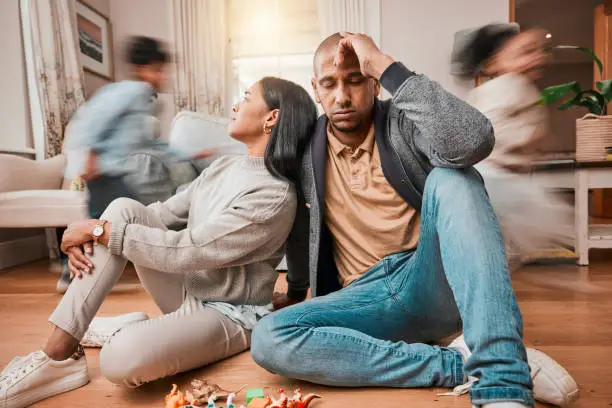
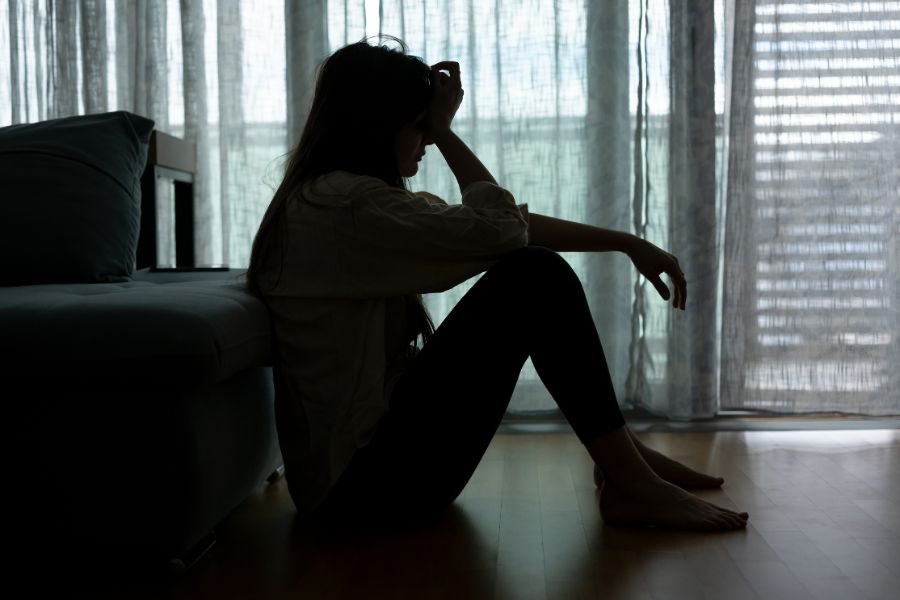
Are you feeling like you’re on an emotional rollercoaster, with highs that leave you feeling invincible and lows that seem bottomless? Do your relationships often feel like they’re on shaky ground, leaving you questioning your own worth and identity? If these feelings resonate with you, you might be wondering, “Do I have BPD (Borderline Personality Disorder)?”
Borderline Personality Disorder is a complex mental health condition that affects how a person thinks, feels, and relates to others. While it can affect anyone, it’s more commonly diagnosed in women.
Symptoms Of BPD In Women
Understanding the symptoms of BPD can be the first step towards getting the support and treatment you need. Recognizing female Borderline Personality Disorder symptoms can be particularly important, as it helps in identifying the specific challenges women may face and seeking appropriate care. Here are some BPD symptoms in women:
- Intense Emotional Swings: One of the hallmark symptoms of BPD in women is experiencing intense and rapidly shifting emotions. You might find yourself going from feeling ecstatic to utterly despairing within a short span of time, often without a clear trigger.
- Fear of Abandonment: Individuals with BPD often have a deep-seated fear of abandonment. This fear can lead to frantic efforts to avoid real or perceived abandonment, including clingy behavior in relationships or extreme reactions to the threat of separation.
- Unstable Relationships: Do your relationships feel like a rollercoaster ride, marked by intense love one moment and intense conflict the next? Difficulty maintaining stable relationships is a common symptom of BPD, particularly noted as BPD symptoms in women, characterized by idealization and devaluation of others.
- Distorted Self-Image: People with BPD often struggle with a distorted sense of self. You might find yourself feeling uncertain about your values, goals, and identity, leading to feelings of emptiness and confusion about who you are.
- Impulsive Behavior: Impulsive behaviors such as reckless driving, substance abuse, binge eating, or reckless spending are common BPD symptoms in females. These behaviors often occur in response to intense emotions or as a way to alleviate feelings of emptiness.
- Self-Harm or Suicidal Behavior: Feelings of emptiness, intense emotional pain, and a lack of impulse control can sometimes lead to self-harming behaviors or suicidal thoughts and actions. It’s essential to seek help immediately if you’re experiencing thoughts of self-harm or suicide, which can be related to BPD symptoms in women.
Is BPD Curable?
Borderline Personality Disorder (BPD) is a complex mental health condition characterized by persistent patterns of emotional instability, impulsivity, and difficulties in interpersonal relationships and self-image.
While there is no “cure” for BPD in the traditional sense, many individuals with BPD can experience significant improvement and symptom management with appropriate treatment and support.
Here are some key points to understand about the outlook for BPD symptoms in women:
- Treatment Can Lead to Improvement: With proper treatment, many individuals with BPD can experience significant improvement in their symptoms and overall functioning. Therapy, particularly Dialectical Behavior Therapy (DBT), has been shown to be effective in helping individuals with BPD learn skills to manage their emotions, improve relationships, and cope with stress more effectively.
- Long-Term Management: BPD is considered a chronic condition, meaning that individuals may experience ongoing challenges related to their symptoms over time. However, with ongoing treatment and support, many people with BPD can learn to manage their symptoms and lead fulfilling lives.
- Individual Variability: The course of BPD can vary widely from person to person. Some individuals may experience more severe symptoms and require intensive treatment, while others may have milder symptoms and be able to function well with less intensive support.
- Co-Occurring Conditions: Many individuals with BPD have co-occurring mental health conditions, such as depression, anxiety, or substance use disorders. Treating these co-occurring conditions alongside BPD can be essential for overall symptom management and recovery.
- Relapse Prevention: Even after significant improvement, individuals with BPD may be at risk of relapse during times of stress or major life changes. Learning and practicing coping skills learned in therapy can help reduce the risk of relapse and maintain stability over time.
- Continued Support: Long-term support from mental health professionals, support groups, and supportive relationships can be crucial for individuals with BPD. Having a strong support network can provide encouragement, validation, and assistance during difficult times.
While BPD may not be curable in the traditional sense, many individuals can achieve substantial improvements in their symptoms and quality of life with the right combination of treatment, support, and self-care. The key is to seek help early, commit to treatment, and be patient and persistent in working towards recovery.
10 Steps to Cope with BPD Symptoms in Women
If you suspect that you may be experiencing symptoms of Borderline Personality Disorder (BPD) as a woman, taking proactive steps to address your concerns is crucial for your well-being. Here’s what you can do if you recognize BPD symptoms in women in yourself:
- Seek Professional Evaluation: Schedule an appointment with a mental health professional, such as a therapist or psychiatrist, who has experience in diagnosing and treating personality disorders. They can conduct a thorough assessment to determine whether your symptoms align with BPD or another mental health condition.
- Be Honest and Open: During your evaluation, be honest and open about your thoughts, feelings, and behaviors. Providing accurate information will help your mental health provider make an accurate diagnosis and develop an appropriate treatment plan.
- Educate Yourself: Take the time to learn more about BPD and its symptoms. Understanding the nature of the disorder can help you make sense of your experiences and empower you to advocate for yourself in your treatment journey.
- Explore Treatment Options: If you receive a diagnosis of BPD or another mental health condition, work with your mental health provider to explore treatment options. Therapy, particularly Dialectical Behavior Therapy (DBT), is often recommended as the primary treatment for BPD. Medication and support groups may also be beneficial.
- Commit to Therapy: If you’re diagnosed with BPD, commit to participating actively in therapy sessions. DBT, in particular, can teach you valuable skills for managing your emotions, improving your relationships, and enhancing your overall quality of life.
- Build a Support System: Surround yourself with supportive friends, family members, or peers who can offer encouragement and understanding as you navigate your journey toward healing. Support groups specifically for individuals with BPD can also provide a sense of community and validation.
- Practice Self-Care: Take care of your physical and emotional well-being by prioritizing self-care activities such as exercise, healthy eating, adequate sleep, and stress management techniques. Engaging in activities that bring you joy and relaxation can help alleviate symptoms of BPD.
- Be Patient and Persistent: Recovery from BPD is a gradual process that takes time and effort. Be patient with yourself and celebrate small victories along the way. It’s normal to experience setbacks, but with perseverance and support, progress is possible.
- Monitor Your Progress: Keep track of your symptoms, emotions, and progress in therapy. Identifying patterns and triggers can help you better understand your condition and make informed decisions about your treatment.
- Reach Out for Help in Crisis: If you’re experiencing thoughts of self-harm or suicide, reach out for help immediately. Contact a crisis hotline, go to the nearest emergency room, or reach out to a trusted friend or family member for support
Recognizing and addressing BPD symptoms in women early on can make a significant difference in managing the disorder and improving your quality of life.
Explore Bpd Symptoms In Women – Gain Insights Today!
Understanding BPD symptoms in women is crucial for self-awareness and mental well-being. At Uncover Mental Health Counseling, we’re here to provide guidance and support. Here’s how you can begin:
- Schedule a Free 15 Min Consultation: Connect with Uncover Mental Health Counseling for a complimentary consultation call. Let’s explore BPD symptoms in women, discuss your experiences, and determine the best steps forward for clarity.
- Meet with a BPD Specialist in NYC: Work with our experienced therapists who specialize in BPD and women’s mental health. Together, we’ll examine symptoms, explore their impact on daily life, and develop personalized strategies for managing emotions and relationships.
- Foster Self-Awareness: Immerse yourself in a supportive environment where understanding and growth are prioritized. Our NYC psychotherapy team offers compassionate guidance, practical tools, and therapeutic techniques to help you navigate symptoms of BPD and foster emotional resilience.