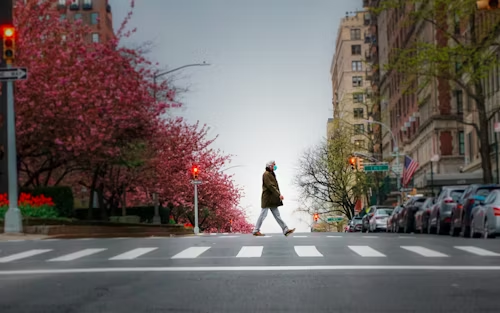

In a city as diverse and vibrant as New York City, misogyny remains a pervasive issue that affects the everyday lives of many women. From casual sexism in the workplace to overt harassment on the streets, misogynistic behaviors create an environment of fear, discomfort, and inequality. Recognizing and addressing these behaviors is crucial to fostering inclusive spaces where everyone can feel safe and respected. At Uncover Mental Health Counseling, we provide online therapy to individuals seeking to navigate the psychological impacts of misogynistic environments and relationships. In this guide, we’ll explore the signs of a misogynistic man, how to address misogyny in various settings, and the mental health support available for those affected by these toxic behaviors.
Understanding Misogyny in NYC

What Does It Mean to Be Misogynistic in NYC?
To be misogynistic in NYC means to engage in behaviors, attitudes, or beliefs that perpetuate the idea that women are inferior to men. These behaviors often go unchecked in fast-paced, highly populated urban settings like NYC, where diverse groups of people coexist but may also clash. Misogyny in NYC can manifest in numerous ways—from the blatant harassment of women in public spaces to more subtle but insidious behaviors such as workplace discrimination, dismissive language, and exclusionary practices.
According to research, misogyny is deeply rooted in societal norms, and while it may seem like an individual issue, it often reflects broader cultural attitudes. In NYC, where gender roles and power dynamics are constantly in flux, misogynistic behavior can be particularly harmful, creating a hostile environment for women in both public and private spaces.
The Impact of Misogyny on Women in Urban Settings
The urban environment of NYC can amplify the effects of misogyny. Public spaces such as streets, subways, and parks can become battlegrounds where women are subjected to unsolicited comments, leers, and sometimes physical harassment. In professional settings, women often face subtle yet damaging forms of misogyny, such as being overlooked for promotions, having their ideas dismissed, or being subjected to inappropriate behavior by male colleagues.
For many women, dealing with a misogynist in NYC is a daily challenge. These men who hate women often thrive in environments where their behavior is tolerated or excused, leading to a cycle of abuse and disrespect that erodes women’s confidence and well-being. The pervasive nature of misogyny can lead to feelings of fear, anger, and helplessness, which can, in turn, contribute to mental health issues such as anxiety and depression.
Identifying the Signs of a Misogynistic Man
Recognizing the signs of a misogynistic man is the first step toward addressing and combating misogyny. Misogynistic behaviors can be overt, such as verbal harassment or physical aggression, but they can also be subtle and harder to detect. Below are some common traits of misogynistic men, as outlined by experts:
- Control and Manipulation: A misogynistic man often seeks to control women, either through overt demands or more covert manipulation. He may try to control how a woman dresses, who she spends time with, or how she spends her money. In professional settings, he may dominate conversations or undermine women’s contributions.
- Dismissive Attitude Toward Women’s Opinions: A key sign of a misogynistic man is his tendency to dismiss women’s ideas, opinions, or feelings as less valid than his own. This can manifest in both personal relationships and professional environments.
- Objectification of Women: Misogynistic men often see women as objects rather than people with their own autonomy and worth. This objectification can take many forms, from overt sexualization to using demeaning language to describe women.
- Hostility Toward Successful Women: Many men who hate women feel threatened by women’s success. A misogynist may belittle a woman’s accomplishments, claim that she achieved success through unfair means, or refuse to acknowledge her hard work.
- Blame Shifting: A common tactic of misogynistic men is to blame women for their problems, whether in personal relationships or in professional situations. For instance, a misogynist may claim that his partner is responsible for the relationship’s issues, even when his own behavior is the cause.
Understanding these behaviors can help individuals recognize misogyny in their personal lives and take steps to address it. For women who are trapped in relationships with men who hate women, the psychological toll can be immense. Misogynistic behavior can lead to stress, anxiety, and low self-esteem, making it critical to seek professional help.
Psychological Impacts of Misogyny on Mental Health
Misogyny doesn’t just affect how women are treated; it can also have a profound impact on their mental health. Women who live in misogynistic in NYC environments often face a range of psychological challenges, from anxiety and depression to trauma and low self-worth. The constant exposure to demeaning behavior and discrimination can wear down a person’s mental defenses over time.
Anxiety, Stress, and Depression
For women, navigating misogynistic spaces can be incredibly stressful. The fear of harassment, discrimination, or violence can lead to heightened levels of anxiety and stress. Women who feel unsafe or disrespected in their homes, workplaces, or communities may experience chronic anxiety, constantly worrying about what might happen next. Over time, this anxiety can turn into depression, as women begin to feel hopeless about their ability to change their circumstances.
At Uncover Mental Health Counseling, we understand how damaging misogyny can be to mental health. We offer anxiety therapy and support from a therapist for depression to help individuals cope with the emotional toll of living in a misogynistic world. Our therapists provide a safe, non-judgmental space for women to explore their feelings and find strategies for managing their mental health.
Trauma and Post-Traumatic Stress Disorder (PTSD)
Misogyny can also lead to trauma, especially when it involves harassment, abuse, or violence. Women who have been victims of misogynistic abuse may develop symptoms of Post-Traumatic Stress Disorder (PTSD), including flashbacks, nightmares, and an inability to feel safe in their environments. The trauma of enduring men who hate women can leave deep emotional scars that last for years.
Therapies such as Prolonged Exposure Therapy and Cognitive Behavioral Therapy (CBT) can be effective in treating trauma and PTSD. At Uncover Mental Health Counseling, we offer these therapeutic approaches through online therapy, making mental health care accessible to those who may not feel comfortable seeking help in person.
Low Self-Esteem and Identity Struggles
Misogyny erodes women’s sense of self-worth. Constant exposure to sexist behavior can make women feel as though they are not valued or respected, leading to low self-esteem and feelings of inadequacy. Misogynistic messages, whether they come from the media, personal relationships, or professional environments, can distort women’s perceptions of themselves and their abilities.
Our online therapy services at Uncover Mental Health Counseling include support for self-esteem issues. We help clients rebuild their confidence and develop a healthier sense of self, free from the damaging effects of misogynistic attitudes.
Addressing Misogyny: Practical Steps for Individuals and Communities

Combatting misogyny requires a multi-faceted approach. While individual action is important, creating inclusive spaces also depends on collective efforts from communities, businesses, and institutions.
Recognizing Misogyny in Different Settings
Misogyny can be found in many different spaces, from personal relationships to professional environments. Recognizing these behaviors is the first step toward addressing them. In personal relationships, individuals should look for the signs of a misogynistic man—control, manipulation, and disrespect are red flags that should not be ignored.
In professional settings, misogyny often takes more subtle forms, such as dismissive behavior, exclusion from important meetings, or unequal pay. It’s important for individuals and organizations to identify these behaviors and implement policies to address them. Anti-discrimination training, clear reporting mechanisms, and a commitment to gender equality are essential for fostering inclusive workplaces.
Challenging Misogynistic Behavior
Confronting misogyny can be difficult, but it’s necessary for creating safer, more inclusive environments. The Womankind article on standing up to sexist language suggests several strategies, such as calling out inappropriate comments when they occur, advocating for gender equality in professional settings, and supporting women who have experienced harassment or discrimination.
At Uncover Mental Health Counseling, we provide resources and support for those who want to challenge misogyny in their communities. Through online therapy, we help clients develop the confidence and emotional resilience needed to confront sexist behavior and foster healthier relationships.
Therapy as a Tool for Overcoming Misogyny
Therapy can be a powerful tool for addressing the emotional and psychological effects of misogyny. For women who have experienced harassment, abuse, or discrimination, therapy offers a safe space to process these experiences and develop strategies for healing.
Therapies such as Dialectical Behavioral Therapy (DBT) and Acceptance and Commitment Therapy (ACT) can help individuals manage the emotional aftermath of misogynistic relationships or environments. DBT focuses on regulating emotions and improving interpersonal skills, making it an effective treatment for women who have been in abusive or controlling relationships. ACT helps individuals accept their emotions and experiences while committing to making positive changes in their lives.
Creating Inclusive Spaces in NYC
Why Inclusivity Matters
Inclusivity is about creating environments where all individuals, regardless of gender, race, or background, feel valued and respected. In a city as diverse as NYC, fostering inclusivity is crucial for building stronger, more resilient communities. Inclusive spaces ensure that everyone has the opportunity to thrive without fear of discrimination or harassment.
How to Foster Inclusive Spaces in NYC
Creating inclusive spaces starts with education and awareness. Individuals and organizations must take proactive steps to challenge misogyny and promote gender equality. Some strategies for fostering inclusivity include:
- Educating yourself and others about misogyny and its impact on women’s lives. Understanding the signs of a misogynistic man and learning how to challenge harmful behaviors is essential.
- Implementing gender-inclusive policies in professional settings. This includes creating clear reporting mechanisms for harassment, ensuring equal pay, and promoting women to leadership positions.
- Supporting women in public spaces by challenging street harassment and creating safe environments for all individuals.
At Uncover Mental Health Counseling, we believe that mental health support is a crucial component of fostering inclusive spaces. Through online therapy, we help individuals affected by misogyny process their experiences and develop the confidence to stand up for themselves and others.
Combating Misogyny in NYC and Fostering Inclusive, Supportive Spaces
Misogyny is a pervasive issue in NYC, but it doesn’t have to be a permanent one. Recognizing the signs of a misogynistic man, understanding the psychological impact of misogyny, and taking steps to foster inclusive spaces are all essential in addressing this problem. Whether you’ve experienced misogyny in your personal relationships, at work, or in public spaces, it’s important to seek support and take action.
At Uncover Mental Health Counseling, we offer comprehensive online therapy services for those dealing with the emotional and psychological toll of misogynistic in NYC environments. Whether you’re struggling with anxiety, depression, or trauma caused by misogynistic behavior, our licensed therapists are here to help. We specialize in therapies such as Cognitive Behavioral Therapy (CBT), Prolonged Exposure Therapy, and Acceptance and Commitment Therapy (ACT) to help you heal and move forward.
Book an appointment with us today and take the first step toward regaining your mental health and creating a more inclusive, respectful space for yourself and others.