
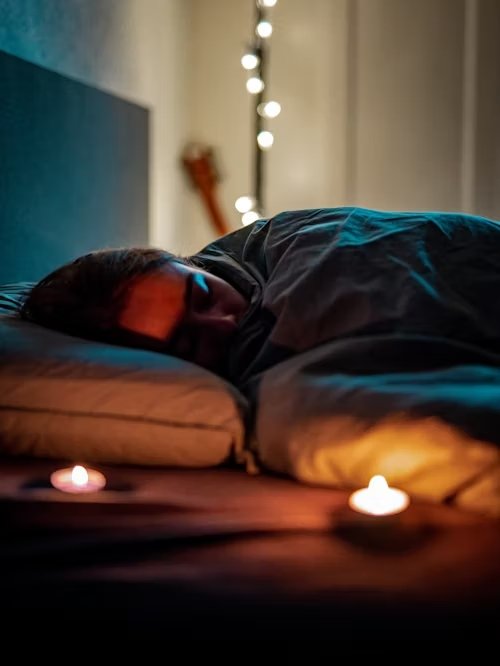
Nightmares are more than just disturbing dreams; they can significantly impact your mental health and quality of life. If you’ve ever found yourself lying awake in fear or anxiety after a particularly vivid or distressing dream, you’re not alone. Nightmares can disrupt your sleep, increase your stress, and sometimes even trigger emotional flashbacks, especially for those with a history of trauma or PTSD. In this guide, we’ll explore how to deal with nightmares using ten effective strategies that promote peaceful sleep and mental well-being.
At Uncover Mental Health Counseling, we understand that sleep issues can be deeply tied to emotional health. Whether you’re dealing with nightmares from trauma, PTSD, or everyday stress, you’re not without support. We specialize in helping individuals navigate the emotional and psychological roots of sleep disturbances through trauma-informed, evidence-based care.

Understanding Nightmares: More Than Just Scary Dreams
Nightmares are far more than just unsettling images that fade after waking. They are vivid, emotionally charged dreams that typically occur during REM (rapid eye movement) sleep—the stage of sleep where your brain is highly active and most dreams occur. Unlike ordinary dreams, nightmares often jolt you awake and leave lingering feelings of fear, anxiety, sadness, or even helplessness. These emotional aftershocks can carry into the next day, affecting your mood, energy, and ability to concentrate.
While occasional nightmares are common and usually harmless, frequent or recurring nightmares can begin to disrupt your overall sleep quality and emotional well-being. When nightmares become intense, happen regularly, or cause significant distress, it may point to a condition known as Nightmare Disorder—a sleep disorder that’s treatable with the right therapeutic support. Left unaddressed, these ongoing sleep disturbances can contribute to exhaustion, heightened stress, and even avoidance of sleep altogether.
In many cases, recurring nightmares are connected to deeper emotional or psychological struggles. Individuals with post-traumatic stress disorder (PTSD), anxiety, depression, or unresolved trauma often experience chronic nightmares. If you’re unsure why your nightmares are happening, working with a licensed Anxiety Therapist in NYC, Therapist for Depression in NYC, or Trauma Therapist in NYC can be a powerful first step. These professionals can help you uncover underlying causes and create a personalized treatment plan that addresses both the symptoms and the root of your distress.
People coping with PTSD nightmares or wondering how to deal with nightmares from trauma often report other co-occurring symptoms such as night sweats, panic attacks upon waking, difficulty falling back asleep, and emotional numbness during the day. These aren’t just random occurrences—they’re signals from your nervous system that your mind and body are asking for support and deeper healing.
Nightmares may feel scary, but they can also serve as an entry point to understanding what’s unresolved or unspoken. Through therapy and integrative care, you can begin to reclaim your nights—and your peace.
1. Establish a Calming Bedtime Routine
A consistent nighttime routine helps signal to your brain that it’s time to wind down. Try incorporating activities such as reading, meditation, light stretching, or listening to calming music. Avoid screens at least 30 minutes before bed to reduce exposure to blue light, which can interfere with melatonin production and sleep quality.
You can also add rituals like journaling, warm baths, herbal teas (such as chamomile or lemon balm), and aromatherapy to your evening routine. These practices not only soothe the body but also reduce the mental clutter that can lead to bad dreams. Scented oils like lavender, ylang-ylang, and frankincense are known for their calming properties and can help create an atmosphere of safety and serenity.
If you’re wondering how to deal with bad nightmares, think of your bedtime routine as emotional armor—providing comfort, predictability, and a sense of control. Over time, this consistency teaches your nervous system to wind down naturally, making it less likely for distressing dreams to intrude.
2. Create a Safe and Soothing Sleep Environment
Your environment has a huge impact on how you sleep. Make sure your bedroom is quiet, dark, and cool. Use blackout curtains to block out artificial light, and white noise machines or calming playlists to drown out city sounds or household noise. Aromatherapy diffusers with essential oils like lavender, sandalwood, and chamomile can also help induce a sense of calm.
For those looking for guidance on how to deal with nightmares from trauma, environmental shifts are a powerful first step. Consider minimizing clutter and creating a sense of order in your room. The physical feeling of safety can often translate into emotional safety, reducing the likelihood of night terrors.
Weighted blankets may also offer relief by providing deep pressure stimulation, which soothes the nervous system. Investing in a high-quality mattress and pillows can also make a significant difference in your comfort and sleep quality.
3. Practice Relaxation Techniques Before Bed
Deep breathing exercises, progressive muscle relaxation, and guided imagery can help calm your nervous system. These practices reduce anxiety and prepare your body and mind for restful sleep.
Progressive muscle relaxation involves tensing and releasing muscle groups from head to toe, promoting physical relaxation and decreasing residual tension from the day. Guided imagery—such as visualizing a peaceful setting like a beach, mountain, or meadow—sends signals of safety to your brain, which can help reduce the likelihood of nightmares.
These techniques are frequently taught in Stress Management in NYC and self-esteem therapy in NYC, where individuals learn to self-soothe and create safe internal environments to manage overwhelming emotions. These skills can be life-changing for those navigating how to deal with PTSD nightmares.
4. Keep a Dream Journal
Writing down your nightmares can help you process the emotions tied to them. A dream journal offers a space to externalize distressing images and reduce their emotional hold. Over time, journaling may also help identify triggers and patterns that contribute to your bad dreams.
Try writing not only what happened in the nightmare but how you felt during and after it. Include any recurring symbols or themes you notice, as well as what was happening in your life that day. This awareness helps bridge the conscious and subconscious mind, allowing for healing and integration.
For those working on how to deal with nightmares from trauma, this process can help uncover emotional wounds that still need attention. Some clients bring their journals into sessions with a Trauma Therapist in NYC to gain insights into how past experiences influence their dreams. When used alongside therapies like Psychodynamic Therapy or Acceptance and Commitment Therapy, journaling becomes a powerful therapeutic tool.
5. Address Underlying Trauma and PTSD
If your nightmares are rooted in traumatic experiences, it’s essential to address the source. Working with a Trauma Therapist in NYC can help you unpack unresolved memories and find healthy ways to cope. Therapies like Prolonged Exposure Therapy, Dialectical Behavioral Therapy (DBT), and Cognitive Behavioral Therapy (CBT) are evidence-based treatments that help reduce the intensity and frequency of trauma-related nightmares.
Prolonged Exposure Therapy involves gradually confronting trauma-related memories and situations in a safe environment to reduce fear and avoidance. CBT helps you identify and reframe unhelpful beliefs or fears that may be contributing to your nightmares.
Dialectical Behavioral Therapy offers tools for emotional regulation and distress tolerance—skills that are essential when managing fear or panic that may surface during or after a nightmare. If you’re struggling with how to deal with PTSD nightmares, trauma-informed care is not only helpful—it’s often necessary for lasting relief.
6. Try Image Rehearsal Therapy (IRT)
IRT is a cognitive-behavioral technique specifically developed to reduce nightmares. It involves rewriting the script of your nightmare into a less distressing version and mentally rehearsing this new version during the day. This technique can recondition your brain and reduce fear around sleep.
For example, if your recurring nightmare involves being trapped or chased, you might rewrite the story where you find an escape route, call for help, or receive assistance from a protector. Practicing this revised script daily—even for just 10 minutes—can dramatically reduce the emotional charge associated with the dream.
IRT is often incorporated into Cognitive Behavioral Therapy and is highly effective for clients experiencing chronic nightmares, especially those stemming from trauma or PTSD. It’s a powerful method for those learning how to deal with nightmares from trauma and is supported by decades of clinical research.
7. Practice Mindfulness and Meditation
Mindfulness helps you stay grounded in the present rather than stuck in distressing memories or fearful thoughts. Daily mindfulness practice can decrease anxiety and improve sleep quality. Even a short daily practice of 5 to 10 minutes can shift your relationship to your thoughts, making nightmares less distressing.
Apps like Insight Timer, Headspace, and Calm offer meditations specifically designed for sleep and trauma recovery. Body scans, loving-kindness meditations, and breath-focused techniques can foster a sense of inner calm.
Mindfulness techniques are foundational in Acceptance and Commitment Therapy (ACT) and Rational Emotive Behavioral Therapy (REBT), two of the modalities we offer at Uncover Mental Health Counseling. These practices encourage a non-judgmental relationship with your thoughts and feelings, which can reduce the emotional power of nightmares.
8. Limit Stimulants and Alcohol Before Bed
Caffeine and alcohol can disrupt your sleep cycles and increase the likelihood of nightmares. Caffeine stimulates the nervous system and can make it difficult to fall and stay asleep. Try to avoid caffeine after 2 p.m. to reduce its impact on your sleep.
While alcohol may initially help you fall asleep faster, it disrupts REM sleep—the phase where most dreaming occurs. This disruption can result in more intense or vivid nightmares later in the night. If you’re noticing an uptick in disturbing dreams after drinking, reducing or eliminating alcohol may be worth exploring.
If substance use is a concern, Addiction Therapy NYC offers compassionate support to help you understand and adjust your habits in ways that improve both your mental health and sleep hygiene. Addressing these behaviors is an important part of dealing with bad nightmares.
9. Seek Professional Help for Co-Occurring Conditions
Chronic nightmares are often linked to other mental health conditions such as anxiety, depression, ADHD, and anger issues. These underlying issues can interfere with sleep patterns, increase stress, and exacerbate the frequency of nightmares.
For example, individuals with ADHD may have irregular sleep schedules or struggle to settle down at night, making them more susceptible to sleep disturbances. Similarly, depression is associated with changes in sleep architecture, such as early morning waking and more intense dream recall.
Working with an ADHD Specialist in NYC, a Therapist for Depression in NYC, or receiving Anger Management Therapy in NYC can provide targeted interventions that improve sleep quality and overall mental well-being. Addressing these co-occurring conditions is a crucial part of a holistic approach to how to deal with nightmares.
10. Don’t Isolate—Talk About It
Nightmares can feel deeply personal and even shameful, but talking about them can provide emotional relief and reduce their intensity. Sharing your experience with a trusted friend, partner, or therapist can help you process the emotional residue of the dream.
If your nightmares are affecting your relationship—such as disrupting sleep or creating emotional distance—Relationship Therapy in New York City can help. Couples therapy offers a safe space to explore how nightmares are impacting your dynamic and develop tools for communication and emotional support.
Therapists at Uncover Mental Health Counseling understand how isolating nightmares can feel and are here to support you in finding your voice, sharing your story, and healing in community.

You Don’t Have to Live with Nightmares
Learning how to deal with nightmares starts with recognizing that your sleep and mental health are deeply connected. From creating a calming bedtime routine to seeking trauma-informed therapy, there are actionable steps you can take to reclaim restful sleep.
If you’re searching for answers about how to deal with PTSD nightmares, how to deal with nightmares from trauma, or how to deal with bad nightmares, know that support is available. At Uncover Mental Health Counseling, our experienced therapists are here to help you explore healing strategies tailored to your needs.
We offer evidence-based treatments, including Psychodynamic Therapy, Cognitive Behavioral Therapy, Dialectical Behavioral Therapy, Acceptance and Commitment Therapy, Rational Emotive Behavioral Therapy, and Prolonged Exposure Therapy. Whether you’re navigating trauma, anxiety, addiction, or relationship stress, we’re here to support your journey toward peaceful sleep and emotional well-being.
You deserve to rest. You deserve to heal.
Ready to take the next step? Book an online therapy appointment today and start your path to deeper rest and recovery.